Get Full Government Meeting Transcripts, Videos, & Alerts Forever!
Get email alerts on the State Of City Caucus Address topic
No spam. Unsubscribe anytime.
Black and Hispanic caucus delivers state-of-city address urging housing, jobs and stronger Yale commitments
Summary
Leaders of New Haven’s Black and Hispanic caucus delivered a state-of-the-city address urging more affordable housing, stronger job pipelines for residents and follow-through on Yale commitments, and outlined past local actions such as inclusionary zoning and use of federal relief funds.
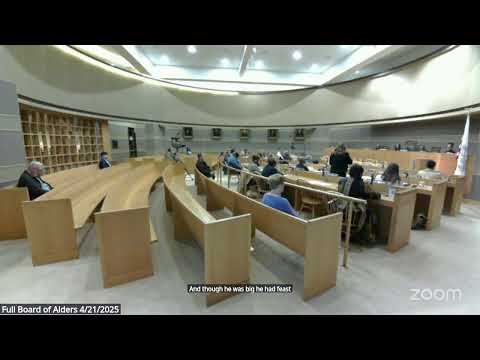
A leader of New Haven’s Black and Hispanic caucus delivered the group’s annual state-of-the-city address during the council meeting, urging the city and its partners to increase affordable housing, expand access to good jobs and press Yale University to meet hiring commitments to city residents.
The caucus chair (name not specified) opened by framing economic and racial inequality as ongoing problems in New Haven, saying “Change happens all around us every day” and emphasizing both the promise and the pain that change can bring. The chair highlighted housing, jobs, education and public safety as priorities and urged residents and officials to turn the speech’s messages into action on the streets.
The address cited a 2024 Affordable Housing Commission report that the chair said documented a “dire need for more affordable housing.” The chair credited the city with recent measures—passing inclusionary zoning, establishing an Affordable Housing Commission, creating tenant protections and increasing fines for certain landlords—and said New Haven directed more American Rescue Plan funds to housing than other cities in the state.
On jobs, the speaker said many Black and brown residents work in low-wage sectors such as hospitality, retail and entry-level health care. The chair praised the recent contract settled by Omni Hotel workers—describing negotiated wage increases of up to 15% in the first year—and called for continued efforts to raise standards for workers so “one job should be enough to take care of your family.”
The address also cited a local push for a Yale hiring agreement. The chair recounted a public hearing held in the council chamber when Yale appeared unlikely to meet a deadline to hire promised residents; the meeting’s organizers said the effort sought commitments that included 1,000 hires with 500 coming from low-income neighborhoods. The caucus speaker said those hires would “lift more residents out of poverty.”
The speaker noted Yale’s recent slavery report and apology, calling it overdue and urging broader action: “We must decide on the steps Yale and state [will take] to address its historical injustices,” the chair said. The address framed this work as part of a broader strategy to address segregation, redlining and underinvestment that the speaker described as contributing to concentrated poverty and underfunded schools in New Haven’s Black and brown neighborhoods.
The caucus message included education and youth investment. The speaker said the caucus raises money yearly for youth programs and reported allocating an additional $8.5 million “on top of the school budget” for the year to support student opportunities. The chair also said the caucus is calling on the state to revise the Education Cost Sharing (ECS) formula so New Haven schools receive more state funding.
The address closed by calling for continued organizing and partnership across neighborhoods, unions and community groups to push for a “fully funded city” and an economy that offers generational opportunity.
The remarks occurred during the council’s agenda and were followed later in the meeting by several action items, including a motion on micro-mobility and other municipal matters.