Get Full Government Meeting Transcripts, Videos, & Alerts Forever!
Get email alerts on the Comprehensive Planning topic
No spam. Unsubscribe anytime.
City Plan department outlines Vision 2034, zoning overhaul and staffing needs
Summary
City Plan presented the wrap‑up of Vision 2034 and proposed starting a zoning ordinance overhaul to implement plan goals; staff sought continued funding for technical work, public engagement and two staffing vacancies (deputy director for zoning and another project manager).
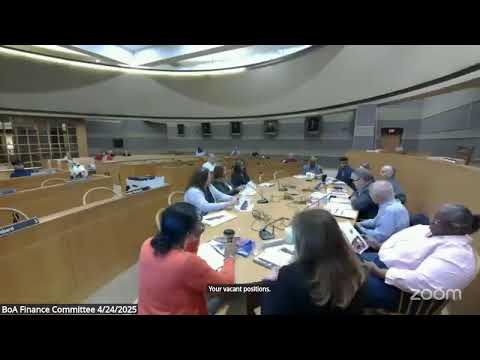
City Plan staff told the Finance Committee they are finishing Vision 2034 and will begin implementation work this year, including a planned overhaul of the city’s zoning ordinance to align rules with the comprehensive plan.
The department presented its FY26 operating request of roughly $958,487, emphasizing personnel as the primary cost. Staff said the department currently operates with seven positions, two vacancies funded through other sources (one environmental review position funded by CDBG), and that most of the department’s work centers on coordinating land use reviews, overseeing three land use boards (Historic District Commission, Board of Zoning Appeals, City Plan Commission) and performing zoning enforcement and environmental review.
Why it matters: City Plan’s work will shape what development is allowed across New Haven and drive future private investment patterns. Staff said changing the zoning ordinance — last comprehensively updated in the mid‑1960s — is a key tool for implementing Vision 2034’s goals for mixed‑use neighborhoods and reduced car‑centric development.
Key details
- Vision 2034: Staff said the public engagement phase has produced more than 1,600 survey responses (exceeding a 1,300 target). They plan a final workshop and public hearings before forwarding the plan to the City Plan Commission and Board of Alders.
- Zoning overhaul: Staff proposed launching a zoning ordinance rewrite to align regulations with the comprehensive plan, especially to encourage mixed‑use development and rebuild neighborhoods affected by mid‑20th‑century highway construction.
- On‑call planning and capital asks: The department requested on‑call planning funds to pay outside technical consultants (coastal planning, wetlands, zoning overhaul support) and listed capital allocations tied to neighborhood strategic planning and infrastructure projects (Mill River, Downtown Crossing). The packet contains a correction: a line referenced as $2,000,000 (on‑call planning) had a typographical error in the printed packet and is $200,000.
- Staffing and certifications: Two staff members completed Connecticut Association of Zoning Enforcement Officers certification; staff said other certifications being pursued include floodplain manager and American Institute of Certified Planners credentials. The department noted it is staff‑heavy and emphasized training and professionalization.
Questions from aldermen focused on proposed fee changes (administrative review and Certificate of Appropriateness fees), capital allocation details and the accuracy of the printed packet. City Plan staff said they would follow up on proposed fee items and corrected an apparent typographical error in the packet relating to a capital figure.
Ending: City Plan argued that Vision 2034’s adoption is the start of implementation work, and requested funding for technical assistance and staffing continuity to support zoning changes and projects already in the planning pipeline.