Get Full Government Meeting Transcripts, Videos, & Alerts Forever!
Get email alerts on the Veterans Benefits Burial topic
No spam. Unsubscribe anytime.
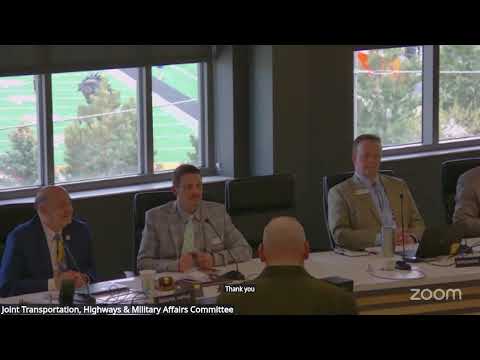
Committee directs staff to draft change to indigent-veterans burial statute to remove wartime limitation
Summary
Lawmakers asked staff to draft statutory language removing a wartime-or-conflict limitation from state statute governing indigent-veteran burial reimbursement and directed follow-up with Department of Family Services on funding mechanics.
The committee directed staff to draft statutory language that would remove the phrase limiting burial reimbursement to veterans who served “in time of war or conflict,” making the provision apply to indigent veterans more broadly.
Tim Shepherd, executive director of the Wyoming Veterans Commission, told the committee he found a drafting anomaly: the current statutory language references reimbursement for burials of veterans who served “in time of war or conflict.” Shepherd said counties have not declined indigent burials for veterans, but the amendment would eliminate any potential future ambiguity and remove the wartime language so the statute clearly covers indigent veterans regardless of service era.
Committee members discussed which agency currently pays reimbursements and whether Department of Family Services (DFS) needed to be consulted about funding. Shepherd and committee members agreed to consult DFS before drafting was finalized; Shepherd noted he had not yet confirmed specific DFS program funding lines or fiscal impacts and would discuss with DFS staff before the bill draft is returned.
Action: Representative Larson moved—seconded by Co-Chair Brown—and the committee voted to direct staff to prepare an amendment to the indigent-veterans burial statute. The committee recorded no opposition.
Ending: Staff will draft statutory language to remove the wartime/conflict limitation and will consult DFS about reimbursement mechanics and potential fiscal effects before the next committee meeting.