Get Full Government Meeting Transcripts, Videos, & Alerts Forever!
Get email alerts on the Higher Education Budget topic
No spam. Unsubscribe anytime.
Senate hearing spotlights proposed FY26 cuts to New Jersey higher education; lawmakers and presidents urge restorations
Summary
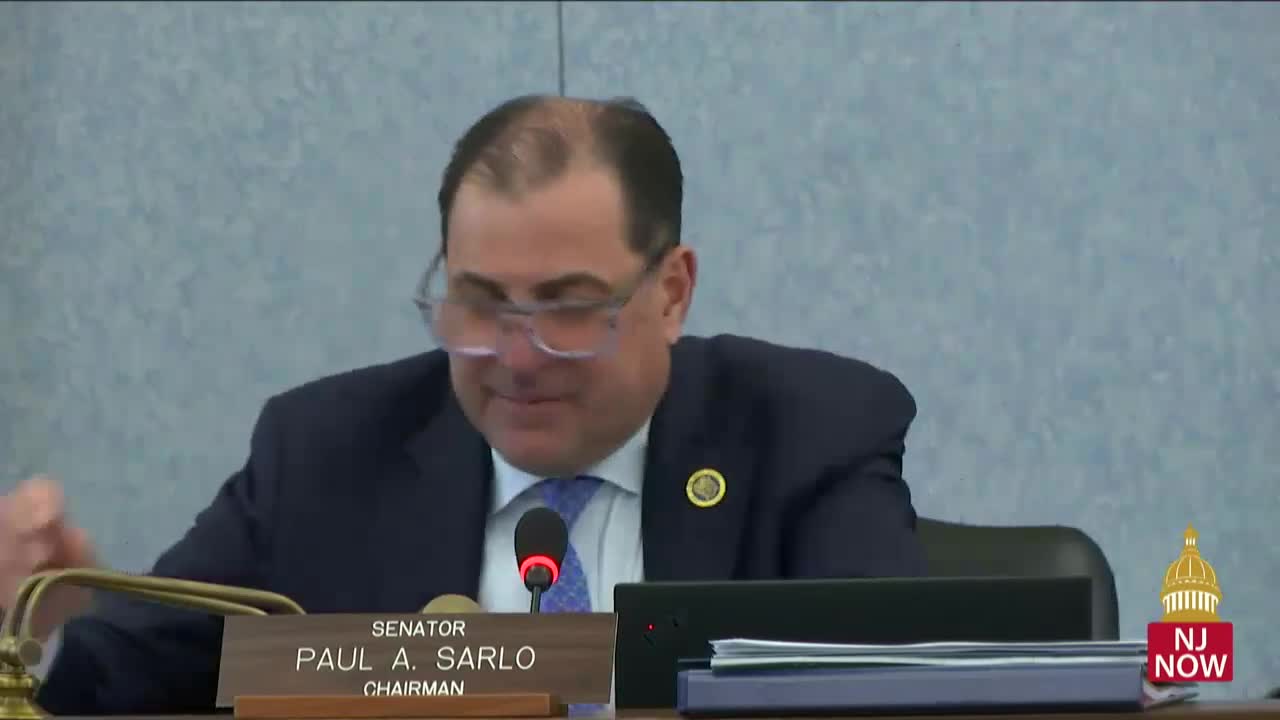
Senate Budget and Appropriations Committee Chairman Sarlow convened a May 1 hearing in Trenton to examine Governor Murphy’s proposed fiscal 2026 higher‑education budget; witnesses from the Office of the Secretary of Higher Education, the Higher Education Student Assistance Authority and college presidents warned the plan’s cuts to operating aid and student programs would put tuition, campus services and student access at risk.
Senate Budget and Appropriations Committee Chairman Sarlow convened a May 1 hearing in Trenton on the governor's proposed fiscal 2026 higher-education budget, drawing officials from the Office of the Secretary of Higher Education, the Higher Education Student Assistance Authority and presidents from public, independent and community colleges across the state.
The hearing focused on proposed reductions that testimony and follow-up questioning said would together reduce state support for higher education by hundreds of millions of dollars. "By the time the class of 2025 walks across the graduation stage, New Jersey will have generated savings for tens of thousands of students," said Dr. Brian Bridges, Secretary of Higher Education, while framing longer-term gains the administration says prior investments have produced even as it acknowledged the budget challenges ahead.
Lawmakers and campus leaders described several specific reductions in the governor's proposal and raised consequences if the Legislature does not act to restore funds. Rutgers President Jonathan Holloway emphasized the university’s statewide role and appealed for restorations of operating and programmatic support: "We are world changing. We are life changing," he said, and urged the Legislature to restore funds that would otherwise affect access and student services.
Why it matters: Higher-education operating aid and student financial-aid programs affect tuition, enrollment decisions and day-to-day campus services. Witnesses told the committee the proposed cuts put at risk summer tuition awards, outcome-based operating allocations, county-college operating support and line items for independent and specialty programs that serve veterans and regional workforce needs.
Key figures and program changes cited in testimony - TAG (Tuition Aid Grant): the governor's proposal includes an appropriation of about $486,000,000 for full‑time TAG awards for the coming academic year and would hold maximum award amounts flat, according to HESAA testimony. (Testimony: Executive Director, HESAA.) - Summer TAG: testimony confirmed a proposal eliminates the $30,000,000 appropriation used for summer TAG awards in 2026; officials said summer 2025 is not affected but the 2026 summer session funding is zeroed out in the governor's proposal. (Testimony: HESAA executive director and presidents’ council.) - Community College Opportunity Grant and Garden State Guarantee: the budget would preserve eligibility for families with adjusted gross income up to $65,000 but proposed changes would alter eligibility tiers above that level for new recipients; officials said students who previously received awards would remain eligible if they meet other criteria. (Testimony: HESAA executive director.) - Operating aid cuts: witnesses said the proposal would cut about $70,000,000 from the outcomes‑based allocation for public four‑year institutions, $20,000,000 from county college operating aid, and roughly $8,600,000 from independent public‑mission institutions. Presidents and committee members urged restoration. (Testimony: presidents’ council.) - Deferred maintenance/capital: committee members pressed officials about $350,000,000–$367,000,000 of unused capacity in revolving bond programs administered through higher-education financing authorities, and asked whether those funds could be released for urgent capital repairs. Dr. Bridges said the borrowing mechanism exists but noted three of four programs require institutions and the state to take on debt in order to draw on that capacity. (Testimony: Secretary Bridges.) - Loan‑redemption and workforce programs: HESAA said recent appropriations expanded teacher and health‑care loan‑redemption programs. The teacher loan‑redemption program has "just under" 60 participants in the first cohort after an eligibility expansion, and payments are structured as $5,000 per year for up to four years of service, the authority said. (Testimony: HESAA.) - Adult re‑engagement and EOF: Dr. Bridges said a roughly $17,400,000 investment over three years reengaged more than 11,200 stopped‑out adult learners, and EOF (Educational Opportunity Fund) increases have served about 3,400 additional students since the administration began investing more in the program. (Testimony: Secretary Bridges.) - Federal COVID funds and SLFRF/ARPA: witnesses said institutions have spent or encumbered most federal relief dollars; Bridges said only a small amount remains and that encumbered funds generally must be spent by December 2026. (Testimony: Secretary Bridges.)
Concerns raised by lawmakers and presidents - Access and affordability: senators repeatedly asked whether cuts to student aid and operating support will force higher tuition or program reductions; Dr. Bridges said tuition policy is set by governing boards and cannot be predicted by OSHE, but he urged the Legislature to consider restoring the cuts. - Sector fairness: independent‑sector and certain regional institutions said they already receive lower per‑student direct state aid and objected to disproportionate percentage cuts. Presidents requested restoration of their sector’s operating aid and dedicated summer TAG funding. - Regional projects and campus programs: senators singled out Stockton University and its Atlantic City campus economic development project and urged reinstatement of its line item. Lawmakers also asked about Montclair State and previously made commitments tied to mergers and partnerships. - Veterans and military students: Thomas Edison State University officials said cuts to programs that support National Guard and military students would require the institution to reallocate funds to honor tuition commitments for service members. - Civil‑rights probes and campus climate: lawmakers asked whether the Office of the Secretary of Higher Education (OSHE) is coordinating with the U.S. Department of Education Office for Civil Rights on ongoing investigations into alleged antisemitism; Dr. Bridges said OSHE receives communications but that interactions between OCR and institutions are primarily direct.
What happened next: The hearing was for testimony and committee questioning; no formal vote or appropriation occurred at the session. Committee members and higher‑education witnesses said the governor’s proposal begins the negotiation process, and several senators pledged to work to reinstate reductions during the legislative budget process.
Context and next steps: Committee members noted state revenue projections may exceed earlier estimates and said restoring higher‑education funding is a top priority in upcoming budget negotiations. Witnesses asked legislators to weigh immediate restorations for FY26 while acknowledging longer‑term fiscal pressures.
Ending note: Lawmakers and campus leaders left the hearing with divergent views over how to close the state’s budget gap, but both sides called for continued information sharing. "The final appropriations act never looks like what the governor proposed," Dr. Bridges told the committee, offering OSHE's assistance to legislators as they review and negotiate appropriations.