Lawmakers hear testimony on bill to study a single digital portal for Oregon services
Loading...
Summary
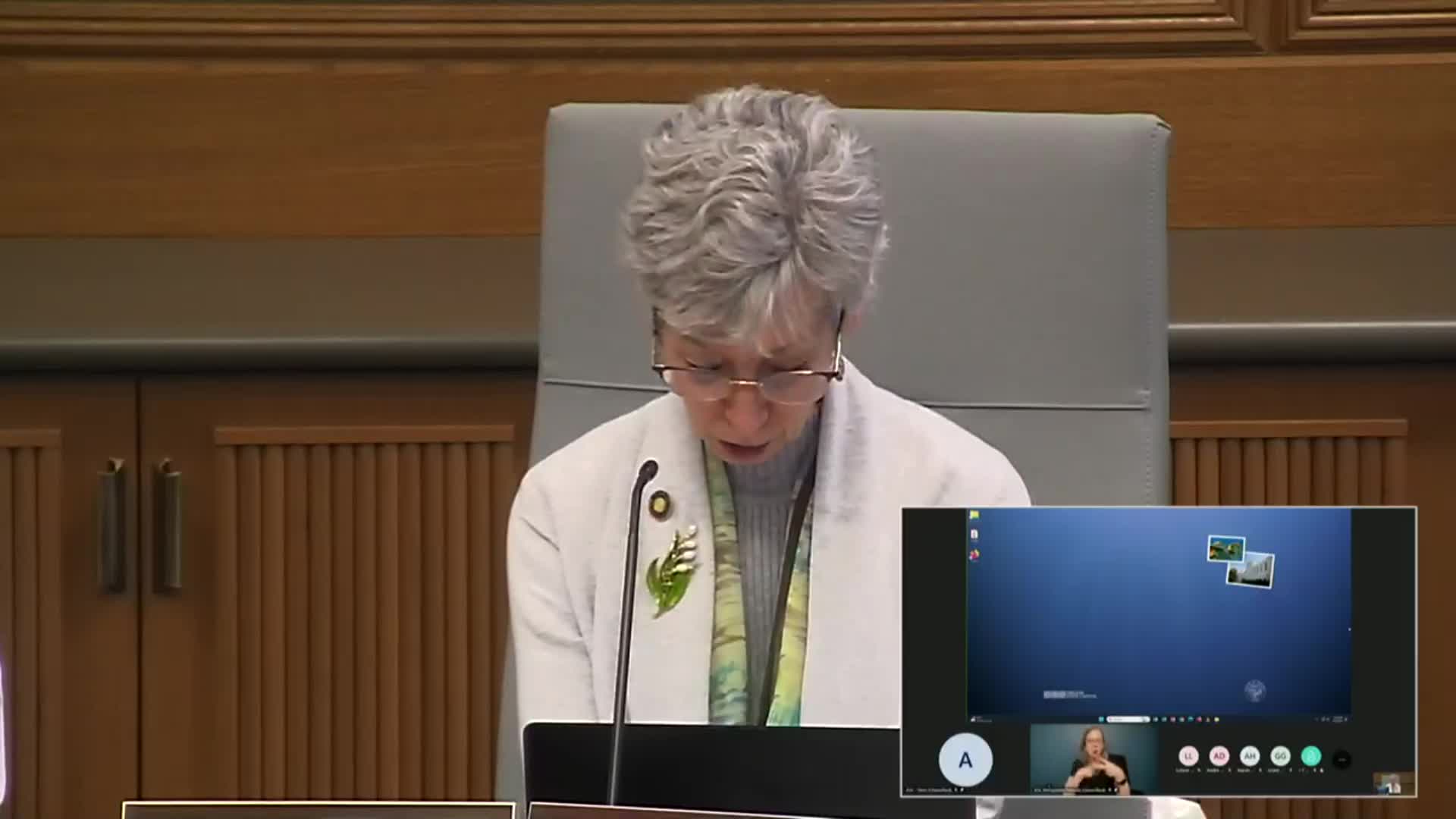
House Bill 3931, which would establish an e‑Oregon task force to study and recommend a coordinated online portal for licenses, permits and other interactions between residents and state and local agencies, received a public hearing before the Joint Committee on Information Management and Technology on May 2.
House Bill 3931, which would establish an e‑Oregon task force to study and recommend a coordinated online portal for licenses, permits and other interactions between residents and state and local agencies, received a public hearing before the Joint Committee on Information Management and Technology on May 2.
Supporters said a single, user‑friendly point of entry could reduce paperwork, streamline common workflows and make it easier for businesses and residents to interact with state government. Opponents and several witnesses urged the task force to prioritize cybersecurity, data privacy and the experience of public employees who would administer any new system.
Representative Daniel Winn, sponsor of the bill, told the committee the measure is intended to “bring a diverse cross section of stakeholders together to identify common pathways Oregonians can take to do business with the state.” Winn cited Estonia’s national digital services as an example and said the task force’s recommendations would focus on organizing and reducing complexity, grouping similar tasks and protecting information security and privacy.
Representative April Dobson, co‑sponsor, framed the bill as part of an effort to improve Oregon’s business climate. “Complicated, duplicative, and time‑consuming processes for permits, licenses, registrations, and other credentials is a key piece of that problem,” Dobson said, urging the committee to pass HB 3931 and “modernize the way Oregonians do business with our state agencies.”
Multiple witnesses who testified supported study of a portal but emphasized limits and safeguards. Rebecca Gladstone, speaking for the League of Women Voters of Oregon and identifying herself as a public member of the Oregon Electronic Portal Advisory Board, said Oregon agencies have varied technology capacity and that cybersecurity and privacy should be central to any effort. Gladstone noted a longstanding master contract for e‑government and said “a full review is in order to assess needs and costs.”
Courtney Graham, political director for SEIU Local 503, asked the committee to include labor representation on any task force and to consider the experience of public employees who will operate consolidated systems. “Workers are not obstacles to modernization,” Graham said. “They’re essential partners in building systems that work for everyone.”
Dan Wolf, director of state programs for the Alliance for Digital Innovation, supported the bill’s goals and said commercial cloud providers can offer privacy and security capabilities the state could use. He also told the committee there is overlap with the existing Electronic Government Portal Advisory Board and urged the committee either to give that board the same charge or to establish the task force described in HB 3931.
Committee staff summarized the existing advisory board’s role and history. The Electronic Government Portal Advisory Board (EPAB) was established in 2009 via House Bill 2146, staff said; it is a 13‑member board that has overseen state websites and portals, funded primarily by the sale of DMV records. Staff also told the committee there are 71 licensing boards and commissions and well over 1,000 distinct license types administered across agencies, underscoring the scope of any consolidation effort.
Committee members asked about several technical and policy choices the task force would likely encounter: whether the state should explore alternative architectures such as blockchain, how to protect privacy and authentication for sensitive interactions (for example, digital driver’s licenses), and whether centralized rulemaking or an industry‑specific view of statutes and administrative rules should be part of the portal’s design. Representative Winn and witnesses repeatedly said those are questions for the study group.
The hearing also surfaced operational concerns. Gladstone noted some state agency websites have won awards but vary in technological maturity and that a 10‑year e‑government master contract is scheduled to expire in November, which she said requires planners to assess needs and costs. SEIU and others urged the task force to plan for training and support for public employees who will administer new systems.
The committee closed the public hearing on HB 3931 and opened the next agenda item, an informational meeting on cyber risks to Oregon’s critical infrastructure. The bill remains in the committee; supporters asked members to return a favorable report so the work can proceed to the study and stakeholder phase.