Wyoming Highway Patrol reorganizes, shifts supervision downward; dispatch and trooper vacancies remain
Loading...
Summary
The Wyoming Highway Patrol told lawmakers it reorganized districts to reduce mid‑level management and expand sergeant roles, but the patrol still faces 23–25 sworn vacancies and a roughly 36% vacancy rate in its dispatch center.
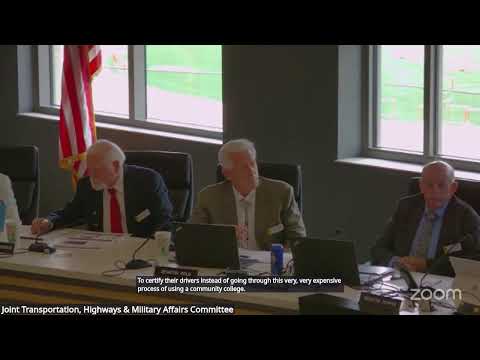
Colonel Tim Cameron and Highway Patrol command staff told the Joint Transportation Highways Military Affairs Committee on May 1 that the patrol has restructured to move supervision lower in the organization and to create more sergeant positions while acknowledging persistent sworn and dispatcher vacancies.
The patrol consolidated five districts into four to improve supervision efficiency, Captain Sean Dickerson said, and reallocated managerial positions into sergeant slots to increase field supervision. The reorganization aims to improve span of control and provide clearer, lateral promotional pathways while preserving frontline trooper coverage.
Command staff reported 23–25 sworn vacancies as of May 1, with Jackson and Cheyenne among areas with the highest vacancy pressure because of housing constraints. Captain Dickerson said 48% of troopers have five years or less of service and 23% have six to ten years, a tenure profile that command said increases the need for close supervision and training.
Lieutenant Colonel Carl Germaine reported the patrol’s dispatch center — which dispatches WYHP and eight other agencies — has 39 authorized dispatcher positions and was operating with a 36% vacancy rate as of April 1. The dispatch center recently raised starting pay for dispatcher classifications (dispatcher I and II) and the patrol said recruitment improved but vacancies remain. Germaine said some hires are being trained on the job and that hiring processes were adjusted to speed backgrounding and onboarding.
The patrol described a renewed emphasis on data‑driven, intelligence‑led enforcement that targets high‑crash locations and prioritizes crash causation factors. The agency also described Troop O, the executive protection and capitol security detail, noting selection, non‑disclosure requirements, and a 90‑day assessment for troopers assigned to that mission.
Ending: Patrol leadership said the reorganization and training investments are intended to improve supervision and service delivery but that housing, retention and ongoing hiring shortfalls remain operational concerns.