Get Full Government Meeting Transcripts, Videos, & Alerts Forever!
Get email alerts on the Wydot Emergency Repairs topic
No spam. Unsubscribe anytime.
Teton Pass landslide, Green River tunnel fire and wildfires prompt emergency repairs and ER funding
Summary
WYDOT described emergency responses and repair work after the June landslide at Teton Pass, the February Green River tunnel fire, and multiple wildfires; the agency said it used federal Emergency Relief funds and other emergency authorities to repair damaged infrastructure.
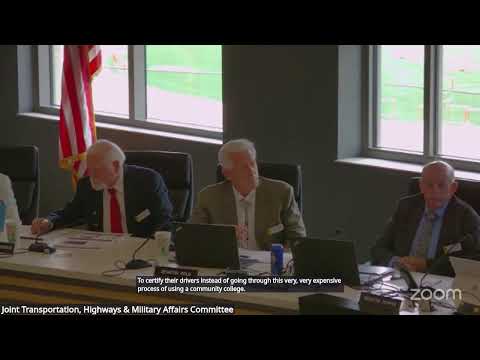
Wyoming Department of Transportation officials gave the Joint Transportation Highways Military Affairs Committee an account of three major emergency events in the past year and the repairs and funding used to reopen roads and restore infrastructure.
Teton Pass (Highway 22): WYDOT recounted a June landslide that “took out the entire highway.” The department issued an emergency declaration, cleaned the debris, staged an initial detour and then contracted AIMS Construction under accelerated procurement to complete shoring and stabilization. WYDOT said it installed a box culvert to route recurring mudflows beneath the highway and used lightweight fills (foam‑glass aggregate) in the reconstruction. WYDOT reported the box‑culvert work cost about $1.4 million and the larger reconstruction package about $30 million. The agency said it received FHWA Emergency Relief (ER) support and advance funding to help cover costs.
Green River tunnel (I‑80): WYDOT summarized a Feb. 14 multi‑vehicle crash and fire in the Green River tunnel that involved 26 vehicles and 3 fatalities and damaged tunnel concrete, lighting and roadway. The eastbound tunnel reopened to two‑way traffic under a temporary restriction while inspectors and consultants (including WSP and FHWA personnel) assessed damage and performed LIDAR scans and core samples. WYDOT said cleanup contractors (Clean Harbors) completed initial work and that the incident is being treated as an ER project; the agency reported roughly $1 million spent so far and said it aims to complete permanent repairs before the next winter season.
Wildfires and other events: WYDOT described multiple wildfires that burned fence, guardrail and signs across counties and said the agency has used emergency declarations and ER funding to replace damaged guardrail (including an 8‑mile guardrail replacement near Sheridan) and many miles of right‑of‑way fence. The agency reported roughly $1 million in wildfire‑related replacement work to date and said it will monitor erosion and slide risk in burned areas.
WYDOT said some emergency work required shifting funds and projects out of the STIP to restore travel quickly. Committee members asked whether WYDOT is doing more preemptive geotechnical monitoring; engineering staff said WYDOT monitors high‑risk slopes (inclinometers and other devices) but that some failures can occur rapidly and require reactive emergency response.
Ending: WYDOT told the committee that the combination of emergency declarations, contractor response and federal ER funding let the agency restore major corridors quickly, but officials cautioned that climate‑ and weather‑driven events will continue to create demands on STIP programming and contingency funding.