Get Full Government Meeting Transcripts, Videos, & Alerts Forever!
Get email alerts on the Wydot Staffing topic
No spam. Unsubscribe anytime.
Wyoming DOT reports about 12% full‑time vacancy rate; housing and pay used to recruit
Summary
Wyoming Department of Transportation told a legislative committee it has roughly 2,051 authorized positions, about 1,815 filled full‑time employees and around 236 vacancies (about 12%), and described efforts — including targeted housing and pay adjustments — to recruit and retain staff.
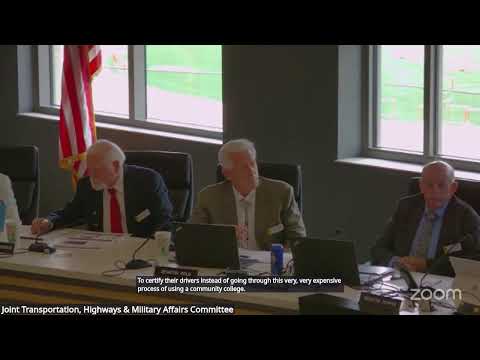
Darren Westby, director of the Wyoming Department of Transportation, told the Joint Transportation Highways Military Affairs Committee on May 1 that WYDOT is working to reduce a persistent vacancy problem that has affected operations statewide.
At the meeting, Westby said WYDOT has 2,051 authorized positions, about 1,815 filled full‑time positions and roughly 236 vacancies — “just shy of 12% vacancy on the full‑time positions,” he said. He told the committee the agency began 2023 with about 345 vacancies and has reduced that number to the current level.
The vacancy shortfall includes technical and field roles that WYDOT leaders say are hard to fill, such as snow‑plow drivers and civil engineers. Westby said the agency is pursuing a mix of recruitment and retention tactics, including brand management, competitive pay where possible and targeted incentives for remote postings. He said providing housing in remote locations has filled some hard‑to‑staff stations: “Muddy Gap is a great example,” he told the committee, noting the site moved from a high vacancy color on WYDOT’s internal maps to a lower vacancy color after housing was offered.
Taylor Rossetti, WYDOT deputy director, explained one staffing step the agency used when an aeronautics staff member went on extended military leave: the agency double‑filled that position temporarily after work with human resources and state budget to avoid a mission gap. Rossetti said the double‑fill was coordinated through appropriate HRD and ANR processes.
Committee members pressed for detail about where vacancies are concentrated and how they affect service. Westby acknowledged persistent staffing pressure in remote districts and said WYDOT avoids filling “warm bodies,” preferring applicants with experience and longevity. He said the agency tracks vacancies monthly and has reduced its overall vacancy count since 2023, but that attrition and retirements remain structural challenges.
The director and deputy director described continuing recruitment steps: offering housing at difficult sites, pursuing better market pay, partnering with HRD on targeted hiring, and promoting WYDOT work as a career. They said WYDOT will continue reporting vacancy data to the commission and the legislature.
Asked by lawmakers whether vacancies have reduced operational capacity, speakers said crews continue to complete mission‑critical work but that prolonged under‑staffing raises risks of fatigue and burnout.
Closing: WYDOT said it will continue monthly reporting on vacancies to the Transportation Commission and the committee and will work with districts and HR partners to pilot recruitment and retention measures.