
Alton ZBA schedules continued hearing for subdivision appeal; appellant cites frontage and buildable‑area concerns
Get AI-powered insights, summaries, and transcripts
Subscribe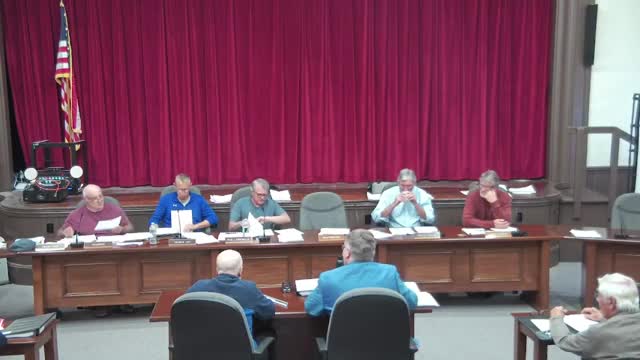
Summary
The Zoning Board agreed to continue an administrative appeal by the Casale family challenging a planning-board subdivision approval. The appellant asserts multiple proposed lots fail the ordinance’s frontage and contiguous buildable‑area requirements; the ZBA set a June 5 continuance to allow board counsel review.
The Alton Zoning Board on May 1 agreed to continue an administrative appeal by the Casale family seeking review of a Planning Board subdivision decision. The appellants contended the planning‑board approval created lots that do not meet the town’s ordinance for minimum width of frontage and contiguous buildable area.
Why it matters: The appeal targets the planning board’s subdivision approval and argues specific lots fail legal lot‑creation standards in the town code. If the ZBA finds the Planning Board’s decision improper on those legal grounds, the subdivision may be remanded for reconsideration or revised layouts.
Appellant’s case: Counsel for the Casale family told the ZBA the subdivision plan included multiple lots that did not meet two separate zoning requirements. First, they argued seven lots lack the required width of frontage — a technical term in this zone that the appellant says requires measurement across the lot at the street, not merely linear frontage along the road. Second, they said three additional lots fail the ordinance’s contiguous buildable‑area test (upland and slopes under the percent threshold), and one lot fails both tests. The appellant delivered a technical survey and legal citations to support the claim.
Developer and planning‑board response: Applicant representatives and the planning‑board record said site‑specific constraints (wetlands, ledge) drove the layout and that town counsel and the planning board had reviewed the plan before approval. The developer’s counsel said the lot pattern is a permissible interpretation of the ordinance and that the plan meets the town’s required criteria for lot size and setbacks.
Board action and next steps: The ZBA voted to continue the matter to its June 5 meeting and asked for an opportunity to consult counsel and review legal materials the appellant supplied. Board members noted the appeal raises technical questions of ordinance interpretation and administrative‑gloss doctrine (whether past administrative practice can be relied on to interpret an ambiguous local regulation).
What to watch: The June 5 continuation may include supplemental legal analysis for the board and, if the board finds fault in the Planning Board’s interpretation, could result in a remand. Appellants and the town are likely to rely on survey math, statutory/ordinance language and precedent cases to support their positions.