Get Full Government Meeting Transcripts, Videos, & Alerts Forever!
Get email alerts on the Nurse Practitioner Scope topic
No spam. Unsubscribe anytime.
Heated testimony on HB 4399: nurse practitioners seek full practice authority while medical groups warn of safety risks
Summary
Representative Preston and nurse practitioner advocates told the House Health Policy Committee HB 4399 would remove the statutory physician‑contract requirement and ease credentialing barriers; physician groups and medical‑society witnesses warned the bill lacks minimum supervision and patient‑safety safeguards.
Representative Natalie Preston introduced House Bill 4399 to the Michigan House Health Policy Committee, saying the bill “does not increase the scope of practice for nurse practitioners. It simply codifies the existing regulations around what a nurse practitioner is currently providing to their patients.” Preston said the measure would remove the statutory requirement that a physician contract delegate practice authority to nurse practitioners and instead allow the Michigan Board of Nursing to grant nurse practitioner specialty certification consistent with national accreditation and board requirements.
Supporters testified that the bill would increase access and build workforce capacity. Nyla Russell of the Michigan Council of Nurse Practitioners said Michigan has over 14,000 nurse practitioners and argued the bill would ease credentialing barriers that now require a physician contract before obtaining DEA and controlled‑substance registrations and Medicaid participation. “Patients have access to safe, high quality care without unnecessary regulatory burden,” Russell said, and she described full practice authority as “a healthcare access bill, a workforce development and retention” measure.
Ramona Menkert, dean of the Wayne State University College of Nursing, told the committee nursing schools prepare graduate nurse practitioners with advanced pharmacology, pathophysiology and supervised clinical training; she said programs must meet accrediting and certification standards and that decades of data support NP quality and safety.
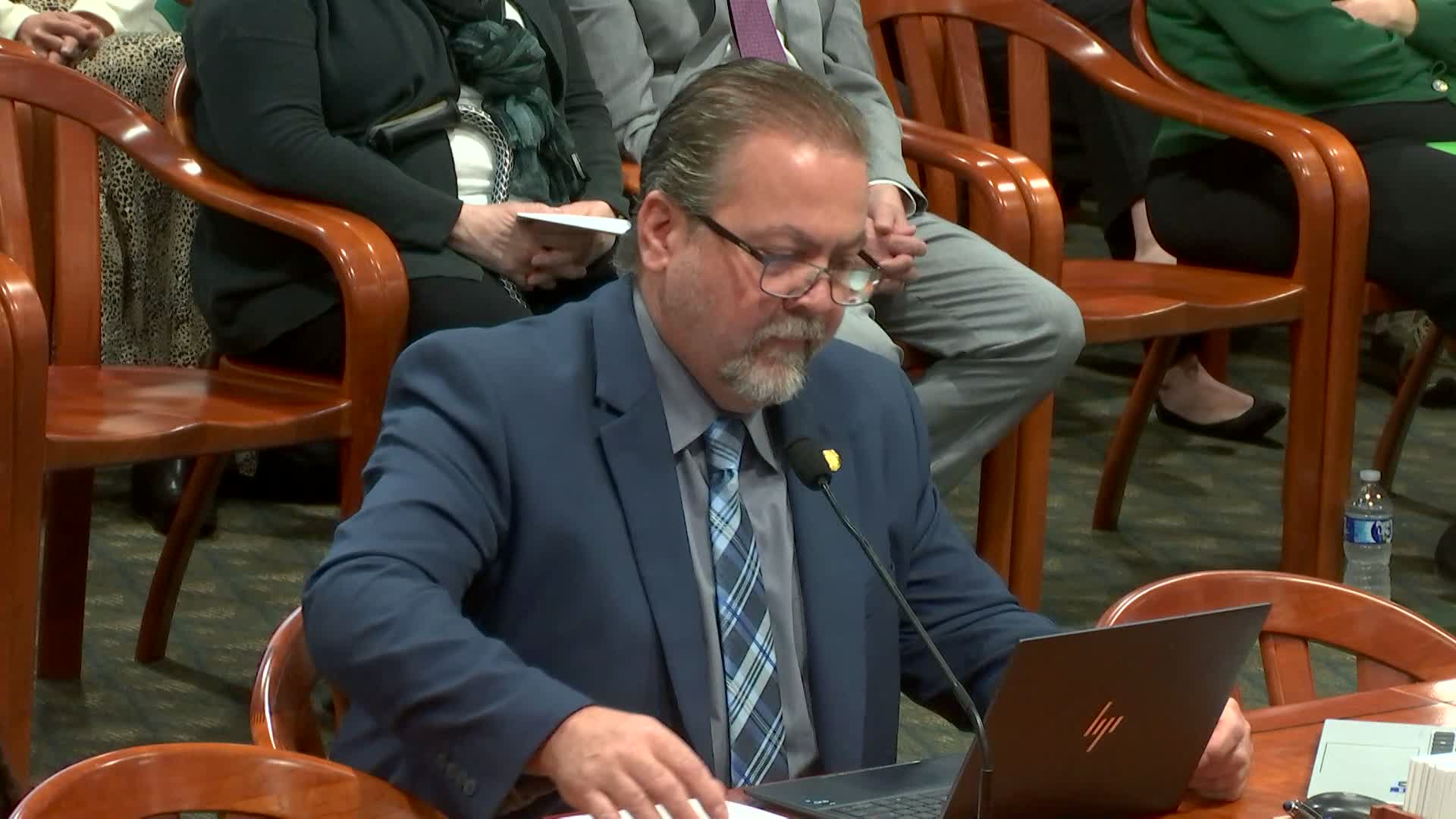
Opponents warned the bill lacks minimum supervision and training requirements. Kathleen Westfall, a health‑care attorney representing the Michigan State Medical Society, told the committee HB 4399 “will not achieve” the stated workforce goals and lacks any requirement for minimum supervised patient‑contact hours before independent practice or prescriptive authority. Westfall said the bill “provides no clear guidance to the Department of Licensing and Regulatory Affairs as to when a nurse practitioner is engaging in the practice of a nurse practitioner and when they are engaging in the unlicensed practice of medicine.”
Dr. Rose Ramirez, a family physician and former president of the Michigan State Medical Society, testified that evidence does not show full practice authority improves access in underserved regions and cautioned about variation in NP educational programs, including online and accelerated formats. “Please, do not approve house bill 43 99 because it holds a grand promise that it ultimately cannot fulfill,” she said.
Dr. Mohan Nagapala, speaking for the Michigan Academy of Family Physicians, warned differences in clinical training between physicians and NPs are significant and said the bill would weaken professional standards and risk costly additional testing and hospitalizations. Several committee members pressed supporters on rural access and reimbursement effects; witnesses said the bill does not change payer reimbursement rates but may reduce practice overhead by removing contractual physician fees, which supporters said could increase hiring and access.
Committee chair VanderWaal said testimony would continue in a subsequent meeting; no committee vote on HB 4399 was recorded during this session.