Get Full Government Meeting Transcripts, Videos, & Alerts Forever!
Get email alerts on the Workplace Occupancy Transparency topic
No spam. Unsubscribe anytime.
Legislators press DTMB for building-occupancy data; agency cites security and offers private briefings
Summary
House appropriations members sought daily occupancy figures and badge-swipe data from DTMB; DTMB declined public disclosure citing security concerns, said the data is available for private briefings and that a state space study by CBRE is in progress with about $400,000 spent so far.
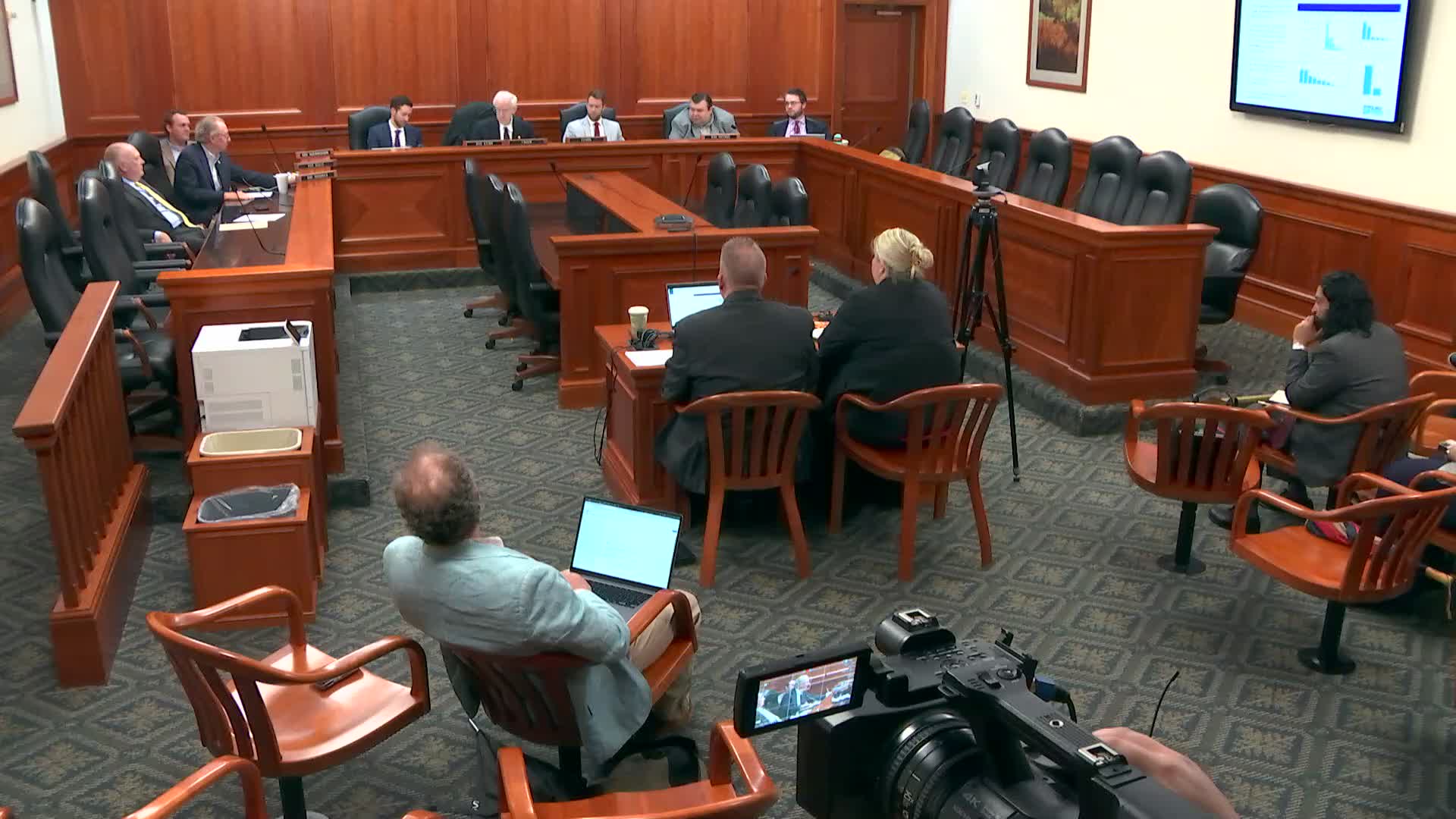
Lansing — House members on the Appropriations Subcommittee on General Government pressed Department of Technology, Management & Budget officials for building-occupancy numbers, badge-swipe data and details on a space-analysis study; DTMB officials said some operational data are considered security-sensitive and offered to provide more detail in private briefings.
Representative Kelly asked why DTMB would not provide occupancy reports for DTMB-managed buildings and said the refusal obstructed legislative oversight. “What's the secret? Is it the secret that there's very few people over that are in these buildings on any day to [basis] and the governor does not want the Michigan taxpayer to know?” Representative Kelly asked.
DTMB Director Michelle Lang answered, referring to a Freedom of Information Act request by the Detroit News: “My assumption is you're referring to, an article recently in the Detroit News related to a FOIA request,” she said, and Deputy Director Mike Turnquist added the department considers specific daily occupancy counts and badge data to be security information. Turnquist told the committee he would meet with legislators outside the public forum to discuss occupancy numbers.
Several members raised broader concerns about remote work and downtown foot traffic. Representative Van Werkom said downtown businesses have closed and asked how DTMB’s space planning accounts for hybrid work. Turnquist said DTMB requires a minimum of two days per week on site for DTMB employees and that the department includes hybrid employees in its capital outlay occupancy figures.
On the department’s internal metrics, Lang and Turnquist cited improvements in customer and stakeholder satisfaction: DTMB said customer satisfaction rose from 75% in 2019 to 82% in 2024; stakeholder satisfaction on IT project closures rose from 66% in 2019 to 85% in 2024; procurement activity increased by roughly 30% over the period.
Members also asked about a space analysis DTMB commissioned from CBRE. Lang said the study began in late spring and was budgeted at $500,000; about $400,000 had been spent to date. The committee received phase-one findings at the session and DTMB said recommendations are still under development.
On the badge data at the center of the FOIA dispute, Turnquist said the swipe information exists and is auto-generated by security systems and was used earlier in the pandemic to track exposures. “It’s the badge data … when they hit the reader to get into a state facility,” he said, and added he does not personally review the daily badge reports as part of his routine.
DTMB officials told the committee they could accommodate a governor-directed immediate return-to-office order by densifying space, shrinking workstation footprints or re-opening leases, and that they would supply the committee with requested documents and updates. The department did not release daily occupancy numbers in open session; it offered private briefings and cited security concerns as the reason for not publicly releasing badge-swipe occupancy data.