DTMB outlines statewide facilities portfolio, cites major projects and asset inventory
Loading...
Summary
Department of Technology, Management & Budget officials told the Appropriations subcommittee they manage 45 state-owned facilities and thousands of structures, are overseeing major lab and psychiatric hospital projects and have taken on facility operations for other agencies to let them focus on core missions.
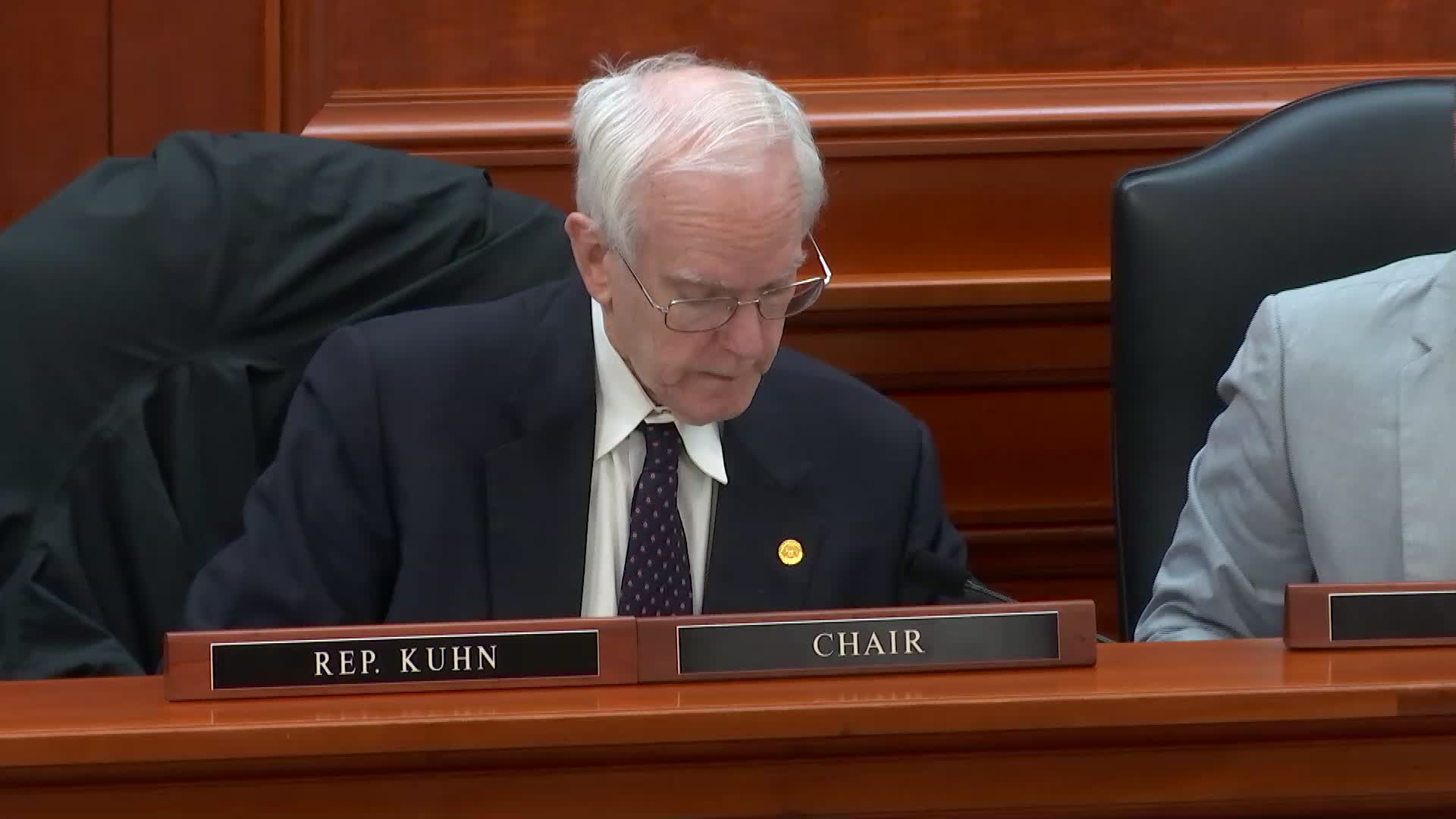
Lansing — Department of Technology, Management & Budget Director Michelle Lang and State Facilities Administration Director Mike Turnquist told the House Appropriations Subcommittee on General Government that DTMB manages a large, diverse portfolio of state facilities and is overseeing several major construction projects.
The presentation said DTMB is “the administrative arm of state government,” managing roughly 3,100 employees, a $1,700,000,000 budget and services that support about 48,000 state employees daily, including procurement, mobile devices, fleet and building management, the department said.
DTMB’s State Facilities Administration, Turnquist said, comprises four divisions: design and construction, strategies and solutions, real estate and building operations. Turnquist told the committee the state currently has “45 facilities totaling more than 13 and a half million square feet of space, 933 acres of land [and] 14,000 plus parking spaces and ramps.”
Turnquist said the design and construction division oversees any state dollars spent on construction projects and that the department currently manages more than 1,000 active projects with about $2,000,000,000 in work. He listed ongoing projects including a new state lab and a new psychiatric hospital in Northville Township, both expected to open in mid-2026, and said about $300,000,000 in American Rescue Plan Act funds are being spent on state park improvements under DTMB oversight.
Turnquist described arrangements in which DTMB builds and then operates facilities for other agencies, saying the department has taken facility-management responsibility from the Michigan State Police and the Department of Health and Human Services so those agencies can focus on their core missions. “They sought our support on, and we’re glad to give it to them,” Turnquist said.
On real estate, Turnquist said DTMB handles leases and land transactions for most state agencies, conducts public RFPs for leased space, and uses occupancy planners to “right size” agency footprints. He described a Building Occupancy Agreement process in which agencies validate annually that they need the space assigned to them and are charged a rate intended to cover building costs.
The department also reported maintaining an inventory of state property: about 5,300 owned or leased structures, of which a little over 400 are leases; the remainder includes everything from small outbuildings at state parks to major office buildings. Turnquist said DTMB has performed an annual validation of the inventory for nearly a decade.
Committee members asked for copies of the presentation and for follow-up materials; Director Lang said staff would provide the PowerPoint and related reports. Turnquist invited members to tour projects under construction, including the Southeast Michigan Psychiatric Hospital and the state lab.
The meeting included no vote or formal action related to DTMB projects; members asked questions about leases, parking and long-term asset strategy.
The presentation concluded with DTMB officials promising follow-up materials and to provide additional data the committee requested.