Get Full Government Meeting Transcripts, Videos, & Alerts Forever!
Get email alerts on the Career Technical Education topic
No spam. Unsubscribe anytime.
Manufacturers, DOD-backed institute pitch expansion of Ignite high-school manufacturing program in Michigan
Summary
A Department of Defense–supported manufacturing institute and the Michigan Manufacturers Association described Ignite, a three‑year high‑school curriculum that provides industry-recognized credentials and equipment (about $400,000 per campus) and said the legislature funded initial Michigan expansion through the FY24 budget.
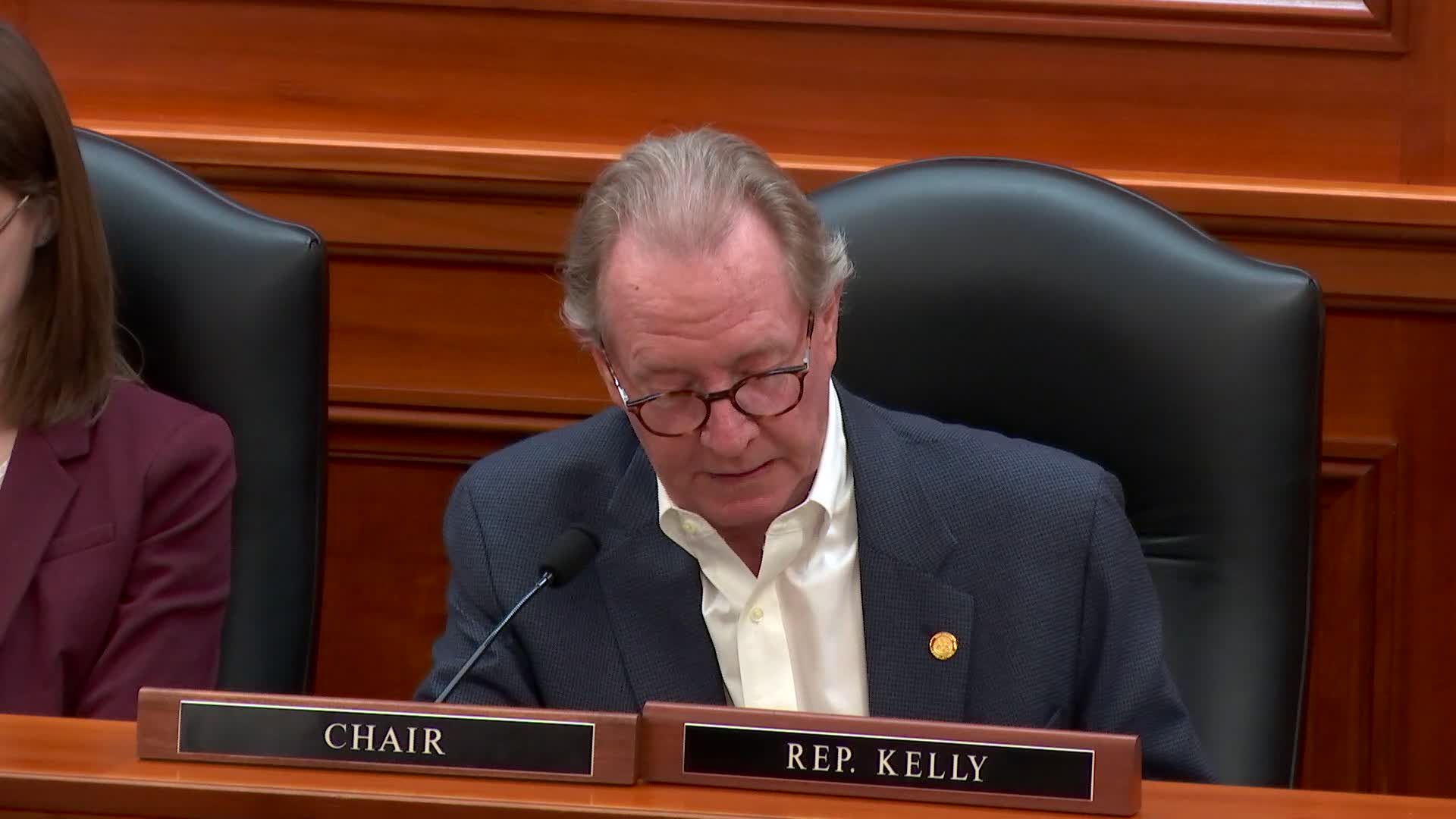
Lyft’s national manufacturing institute and the Michigan Manufacturers Association told the House Appropriations Subcommittee on School Aid and Education on April 22 that Ignite, a three‑year high‑school advanced‑manufacturing curriculum, is designed to build a pipeline of skilled workers for Michigan manufacturers.
Mike Johnston, executive vice president for government affairs at the Michigan Manufacturers Association, said the association has helped create more than 50 career‑technical programs around the state and that talent is “our primary barrier to competitiveness.” Johnston said Ignite focuses on “the digital future of advanced manufacturing” and provides industry‑recognized credentials.
Joe Steele, executive vice president of public affairs for Lyft (the nonprofit national manufacturing innovation institute headquartered in Detroit’s Corktown neighborhood), told the subcommittee the institute was stood up with Department of Defense support and that its mission includes accelerating technology and developing workforce talent. “We are a department of defense supported national manufacturing innovation institute,” Steele said. He described Ignite as a six‑course, hands‑on sequence aligned to employer credentials and designed to teach advanced materials, mechatronics, motor control and digital manufacturing systems.
Why it matters: presenters said Michigan faces a sizable skills gap in manufacturing and that Ignite can give students credentials that some community colleges accept for credit. Steele and Johnston said Ignite has been adopted in about 50 schools across roughly 18 states with about 37,000 students having taken at least one course; Michigan’s FY24 budget provided funding to expand Ignite to two Michigan schools. Presenters named Troy, Athens (Oakland County), Dalton‑Kellogg (Kalamazoo area) and Macomb and Oakland community colleges as local partners and credit pathways.
Program details and local rollout: presenters said Ignite is structured as six semester‑long courses intended for grades 9–12 (most students begin as sophomores), includes teacher professional development, and is aligned to industry certification (presenters referenced alignment with a certification alliance shown on their slides). Steele said the capital cost for equipment to run the six‑course sequence is approximately $400,000 per campus; that purchase includes curriculum and teacher training that the presenters said is intended to avoid an ongoing burden on school budgets. Johnston said Lyft’s learning lab in Detroit has had similar equipment for more than a decade and remains operational.
Questions from legislators focused on local internships and employer partnerships, ongoing maintenance and curriculum updates, and whether the program will reach manufacturing clusters outside Detroit. Johnston and Steele said about half of their 390 national industry partners are within an hour of Detroit, that Lyft is developing internship opportunities and mobile/expansion strategies for schools outside the Detroit area, and that Lyft works with industry partners and the Department of Defense to update curriculum and add new digital content without asking schools to absorb those costs.
Ending: presenters asked the subcommittee for continued legislative support for program expansion so more Michigan high schools can add Ignite equipment and curriculum in upcoming school years. No formal action or vote on funding or policy was taken during the hearing.