Get Full Government Meeting Transcripts, Videos, & Alerts Forever!
Get email alerts on the Mdoc Prison Health Contract Wellpath topic
No spam. Unsubscribe anytime.
Providers say state contractor’s payment failures left EMS and hospitals unpaid; lawmakers press MDOC and DTMB for answers
Summary
Lawmakers questioned the Department of Corrections and state procurement officials about a prison‑health contractor’s failure to pay EMS providers and hospitals, leaving agencies across Michigan with unpaid claims totaling millions.
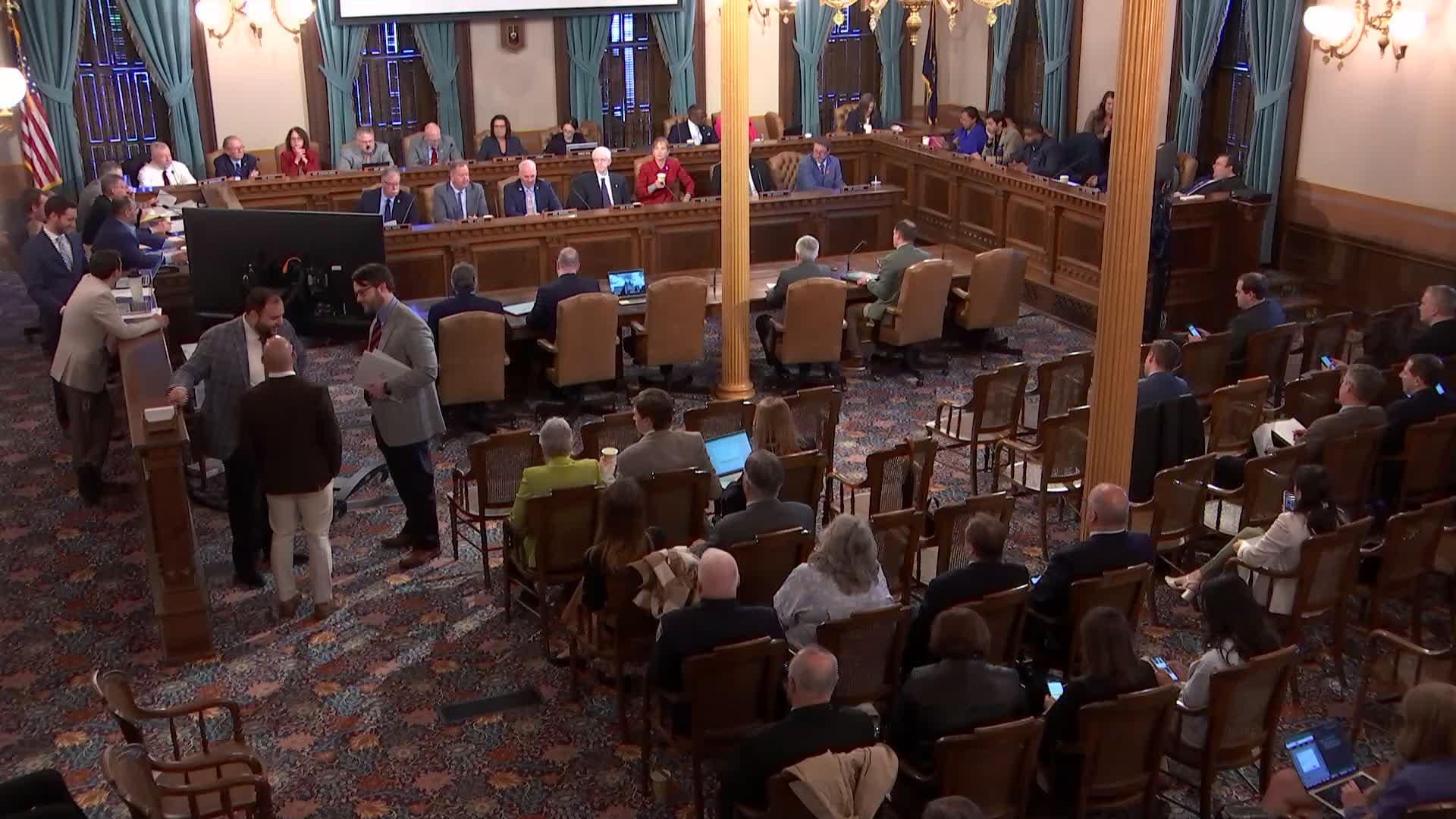
Lawmakers pressed Michigan Department of Corrections and state procurement officials on Wednesday about a multi‑year prison health contract and unpaid medical bills that have left ambulance services and hospitals seeking legislative action.
Kyle Kaminski of the Michigan Department of Corrections and Jared Ambrosier, chief procurement officer for the Department of Technology, Management and Budget (DTMB), described the procurement and monitoring history of the contract that began with an RFP in 2020. The committee heard that Grand Prairie/Wellpath took over the statewide contract in September 2021, the state levied roughly $1.5 million in service‑level credits and issued 15 corrective action plans against the contractor, and that Grand Prairie later exited and declared bankruptcy. DMOC said VitalCore (VitalCorp in testimony) assumed the contract in early 2024 and was performing better as of May 2024.
Kaminski said the department levied $60,000 in credits specifically for untimely payment to subcontractors and detailed how the MDOC’s service‑level agreements require the prime contractor to pay subcontractors within 45 days of a clean claim. Kaminski emphasized the state paid Grand Prairie per the prime contract — "the state met its contractual obligations to the contractor" — but that the prime contractor is contractually responsible for paying its subcontractors. The Department of Corrections also said it had filed litigation against Grand Prairie over payment practices and data‑sharing concerns; Grand Prairie has since filed for bankruptcy in federal court.
Multiple emergency medical services agencies and hospitals told the committee they were owed millions for emergency care and transports provided to prisoners. Jeff White, chief of emergency services for Richmond and Lenox townships and legislative chair of the Michigan Association of Ambulance Services, said EMS agencies are required by state law to respond to emergency calls in their service areas and cannot refuse calls to prison facilities. "We respond because that's what public safety professionals do," White said, adding that unpaid prison services have forced reductions in staffing, delayed equipment purchases and deferred maintenance.
Ron Slagle, president and CEO of Emergent Health Partners, listed outstanding claims to his network: Huron Valley Ambulance owed $430,000; Jackson operation owed $630,000; Lifecare owed $193,000. Russ Adams, director of Lapeer County EMS, said his municipal authority is owed $137,785 — the equivalent, he said, of multiple local millage assessments and a material share of his agency’s budget.
Hospitals told the committee they are also significantly affected. Adam Carlson of the Michigan Health & Hospital Association said hospitals provided $35,000,000 in unreimbursed care to prisoners from January 2022 through May 2024. Helen Johnson, CEO of Helen Newberry Joy Hospital, described her hospital’s exposure of about $800,000 — an amount that would represent several years of operating margin and pay for roughly 10 nursing positions at her critical‑access hospital.
Local providers urged immediate action by the state rather than waiting for lengthy bankruptcy and litigation processes. "We are secured creditors; this is pending federal bankruptcy proceedings, which will take years to litigate, and at the end of which we may receive fractions of pennies on the dollar," Jeff White said. Providers asked whether the state can make them whole now and then seek recovery from the bankrupt contractor later; MDOC said it pursued litigation against the contractor but that its contract tools limit the state’s ability to make direct payments to subcontractors under the existing contract structure.
DTMB’s Ambrosier explained the state’s competitive procurement rules under the Management and Budget Act (Public Act 431) and described how central procurement, agency subject‑matter experts and joint evaluation committees select vendors using a best‑value methodology. He said DTMB delegates certain procurements to agencies but retains oversight and that solicitations are typically posted for several weeks with a question‑and‑answer period.
Committee members expressed concern about oversight, vendor selection and long‑term strategy. MDOC said it has engaged an outside consultant to review national practices and options for structuring future prison‑health contracts before the current contract’s initial term ends in September 2026.
Why it matters: unpaid claims are affecting rural hospitals and municipal EMS agencies’ ability to operate and recruit staff, committee members were told. Providers warned the unpaid bills are already forcing service reductions and equipment cancellations in some communities.
What’s next: lawmakers said the issues merit deeper oversight. The committee paused to hear provider testimony and then returned to the DNR Trust Fund item; members said they would pursue further review of procurement, contract monitoring and potential legislative remedies.