Get Full Government Meeting Transcripts, Videos, & Alerts Forever!
Get email alerts on the Wild Rice Manoomin topic
No spam. Unsubscribe anytime.
Michigan Wild Rice Initiative asks Agriculture Committee for formal recognition and federal funds to restore Manoomin
Summary
Representatives of the Michigan Wild Rice Initiative updated the Agriculture Committee on a stewardship guide for native wild rice, requested placement within state government (preferably the DNR) for funding and implementation support, and said an EPA environmental‑justice grant award is on hold.
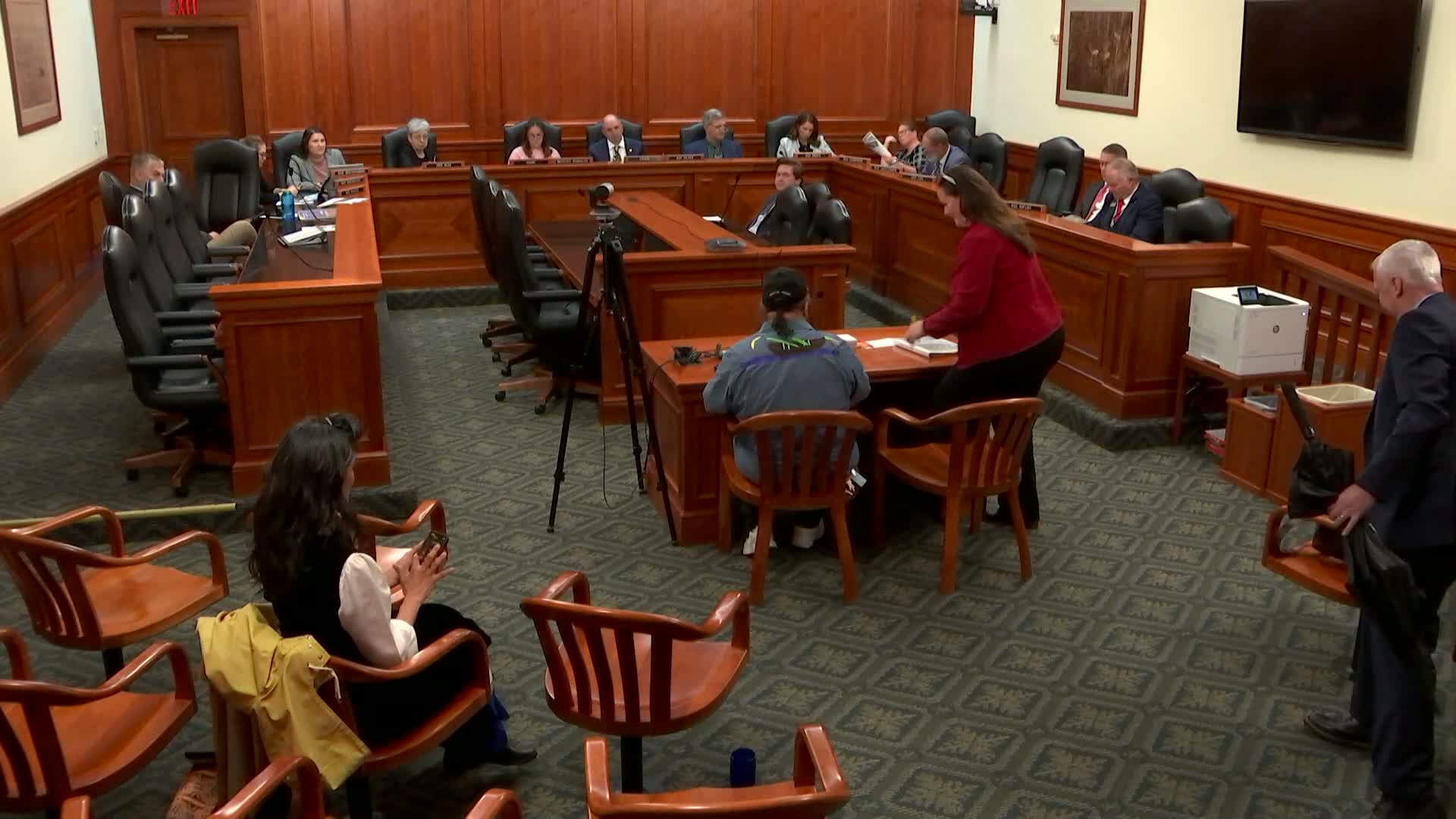
Elder Levin, delegate for the Michigan Wild Rice Initiative, told the Agriculture Committee the initiative has developed a stewardship guide for Manoomin (native wild rice) and is seeking formal recognition within state government so the group can receive funding and implement restoration work.
Levin said the Michigan Wild Rice Initiative formed in 2017 and has worked with tribal communities and state agencies on education, outreach and restoration. He told the committee the initiative applied for an Environmental Protection Agency environmental‑justice grant worth $3 million over three years to support implementation; Levin said the award is currently on hold and asked legislators to help secure the federal funds for tribal partners.
Levin described the stewardship guide as an outreach and technical resource that explains Manoomin’s cultural and ecological importance and recommends protections, labeling and restoration practices. He said the guide compares neighboring states’ regulations and that the initiative would prefer to be placed with the Michigan Department of Natural Resources to align restoration with the agency’s conservation role, while still working with the Department of Agriculture on labeling and genetic‑integrity concerns.
Representative Ryan and others thanked the presenters and noted that Minnesota and Wisconsin have legislative models to consider. No committee action was taken at the hearing; the committee accepted the update and moved on to conclude business.