Get Full Government Meeting Transcripts, Videos, & Alerts Forever!
Get email alerts on the Youth Tobacco Prevention topic
No spam. Unsubscribe anytime.
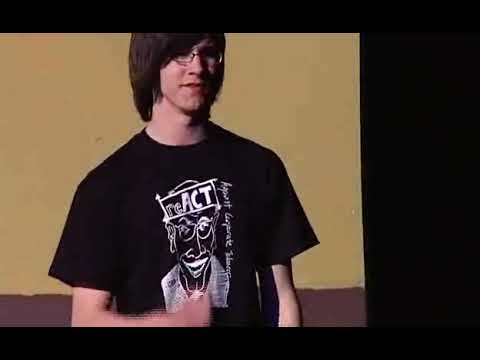
REACT youth program stages dramatized presentation on tobacco industry targeting of teens
Summary
REACT Against Corporate Tobacco presented a dramatized program combining student performances, corporate-file quotations and personal testimonies to illustrate how tobacco companies have targeted young people and the harms that follow.
REACT Against Corporate Tobacco presented a dramatized program at a community meeting describing how tobacco companies target teenagers and the consequences that follow. The presentation mixed student performances, excerpts from internal tobacco-industry documents and personal testimonies from people whose family members died of lung cancer.
Organizers said the program — part of a statewide youth-led prevention effort — uses education, media, activism and art to help teenagers recognize and resist commercial messages promoting tobacco. “This group is called REACT and it stands for REACT Against Corporate Tobacco,” the REACT presenter said, adding the program combines “real stories by young people about the impact of tobacco on their lives” with verbatim quotes from corporate files.
The presentation included staged readings of tobacco-industry language and internal-advice excerpts that the performers said came from litigation-disclosed documents. In the dramatization, an actor portraying a tobacco executive said, “The base of our business is the high school student.” Another staged line read, “We reserve the right to smoke for the young, the poor, the black, and the stupid.” Organizers and performers told the audience those quotes are intended to show how companies discussed and marketed to younger potential smokers.
Speakers in the program also described personal losses attributed to smoking. A speaker identified in the transcript as a survivor recounted losing both parents to lung cancer and said she had “tried to get my parents to stop smoking my entire life.” Another participant said her mother was diagnosed with lung cancer and later died, a story presented to underscore the human cost highlighted by the program.
Program leaders emphasized progress in Montana youth smoking rates: the presentation cited a decline in teen smoking from 27 percent to 17 percent over the past 10 years and said that education and higher cigarette taxes have helped reduce use among young people. The presenter said the program’s goal is to make teenagers “as savvy as possible so that they can resist those commercial messages.”
Presenters invited audience feedback and offered additional video for smaller-group viewings. Organizers said they would remain to take questions and critiques from attendees after the screening.
No formal action or vote was taken during the presentation; it was delivered as an informational program and public comment opportunity.