Get Full Government Meeting Transcripts, Videos, & Alerts Forever!
Get email alerts on the Badger Two Medicine topic
No spam. Unsubscribe anytime.
Blackfeet leaders and conservationists denounce Forest Service drilling plans for Badger Two Medicine
Summary
Speakers on a Missoula radio program said proposed oil and gas development in the 103,000-acre Badger Two Medicine would harm Blackfeet sacred uses and wildlife; guests urged administrative appeals and public comment on Lewis and Clark National Forest decisions.
Speakers on the Missoula Peace Network radio program said proposed oil and gas development in the Badger Two Medicine — about 103,000 acres of Lewis and Clark National Forest land — would damage sites the Blackfeet consider sacred and threaten wildlife, including grizzly bears.
The program reported that on March 1 the Forest Service issued the first two proposed drilling permits for the area, one to Fina Oil and Chemical Company and a second permit that was in the appeals process. Guests on the program urged listeners to file comments and administrative appeals with the Lewis and Clark National Forest.
Why it matters: guests tied the issue to competing legal and cultural claims. They said treaty-era reserved rights and long-standing Blackfeet cultural uses conflict with the Forest Serviceand federal energy policy that favors development. Guests also argued that drilling would set a precedent for opening other sensitive public lands to oil and gas activity.
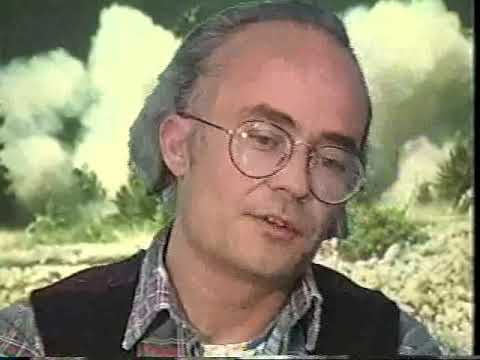
On-air participants described the Badger Two Medicine as both an important wildlife landscape within the Greater Glacier/Bob Marshall ecosystem and as a living cultural landscape used for Sundance, vision quests and other rites. A speaker identified only on the broadcast as a Blackfeet elder said, "When they grow to a certain age, they will all know that this is for them. It's for their safety as far as their spiritual being." The program also included representatives of conservation groups and regional media.
Legal and procedural issues were discussed but not resolved on air. Guests cited the National Historic Preservation Act, the American Indian Religious Freedom Act and the Wilderness Act as relevant authorities and criticized how agency guidance and regulations are applied. They referenced regulation 800.4 and "Bulletin 38" (guidance for documenting cultural properties under the National Historic Preservation Act) as materials the Forest Service should use when evaluating the area as a cultural district rather than requiring site-by-site designations.
Guests disputed the Forest Service rationale that drilling is justified by national energy needs. The program relayed an environmental-impact estimate that the chance of hitting any commercial oil or gas deposit in the area is "less than one half of 1%," and said a U.S. Geological Survey estimate showed a full field would meet U.S. energy needs for about 14 hours. The program also reported that Fina is a Belgian company, a fact guests used to question a national-security justification for domestic drilling.
Speakers said numerous government and scientific bodies oppose development in the Badger Two Medicine: the National Park Service, the Blackfeet Nation, the Montana Department of Fish, Wildlife and Parks and independent biologists were cited on the program as having filed comments opposing drilling. Guests said about 95% of public comments on the Forest Service record were opposed to drilling, though the program did not present a document-by-document audit on air.
Conservationists on the program emphasized wildlife impacts. Guests named grizzly bears and gray wolves and said the area supports many bird species and fish, including possibly unique trout-perch populations in the contiguous United States; one guest noted "something over 280" vertebrate species could be affected. They argued that road-building and repeated industrial activity associated with field development would fragment habitat and degrade the area's ecological and cultural values.
Several guests urged public involvement. The program gave contact details for the Lewis and Clark National Forest and the Alliance for the Wild Rockies and recommended filing comments and administrative appeals. The broadcast also noted the risk that, if ownership or control of the land changed in the future, tribal or federal agencies could face competing pressures about mineral development, and guests said tribal leaders they represent would oppose development.
The program did not include a Forest Service representative: guests said the Forest Service declined an invitation to appear because the issue was in the appeals process. The broadcast contained disputed claims about treaty interpretation and historical use; guests described differences between written 1896 treaty documents and Blackfeet oral history but did not present a court ruling adjudicating those claims.
Listeners were told to send comments to the Lewis and Clark National Forest (P.O. Box 871, Great Falls, MT 59403) and were given the Alliance for the Wild Rockies mailing address (P.O. Box 8731, Missoula, MT 59807) for additional materials.
The program was a forum for competing perspectives rather than a venue for formal agency decisions. No formal action or new Forest Service commitment was announced on air.