Get Full Government Meeting Transcripts, Videos, & Alerts Forever!
Get email alerts on the Medical Malpractice Wrongful Death topic
No spam. Unsubscribe anytime.
Senate repeals cap on non-economic damages in wrongful-death medical malpractice cases
Summary
The Senate passed House Bill 6017 to repeal a statute that limited recovery of non-economic damages in wrongful-death medical negligence claims, after emotional floor debate and objections over potential effects on malpractice insurance and physician supply.
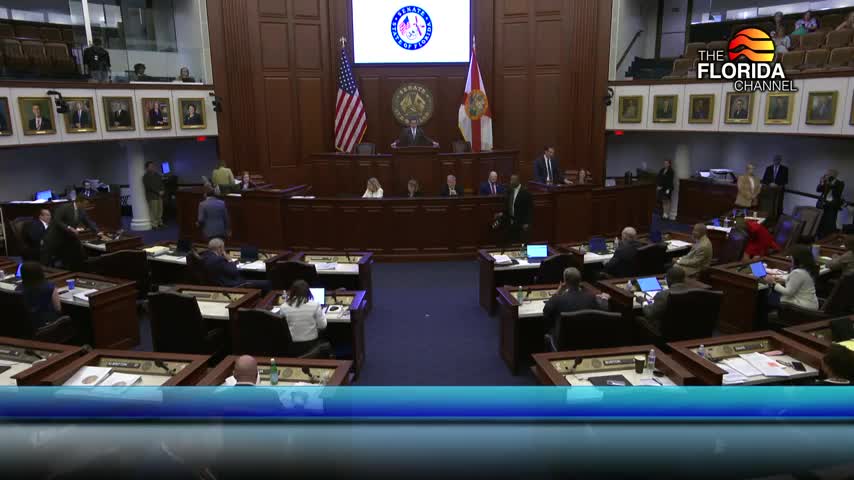
The Florida Senate on Thursday passed House Bill 6017, repealing the state statute that limited recovery of non-economic damages in wrongful-death medical negligence cases. The vote was 33 ayes to 4 nays.
Senator Jordan Yarbrough, sponsor: "This bill repeals statute 768.218 and would allow the narrow group of survivors I described to recover non-economic damages." Yarbrough told the chamber the change restores a cause of action for families who lose a loved one because of medical negligence.
Supporters described the bill as correcting an injustice for families. Senator Aaron Smith said, "you can't put a price on a life," arguing that victims of medical negligence deserve access to non-economic damages and that the change was about accountability for providers.
Opponents warned of consequences for malpractice insurance rates and physician supply. Senator Gail Harrell, describing intensive study and concern about premiums, said she supported victims but could not vote for the bill without limits. "I want to vote for this bill. I really want to vote for this bill, but I cannot," Harrell said on the floor, citing the bill's removal of damage caps and citing local premium examples and workforce shortfalls.
During debate, Harrell cited figures for provider shortages and premiums, saying Florida already faces a shortage of primary care and specialty physicians and that malpractice insurance costs in some specialties and areas were high; she warned that removing statutory limits could increase premiums and lead some doctors to leave the state.
Other senators spoke in favor of the repeal on grounds of fairness and to provide families a legal remedy. Supporters said the group of potential additional claims would be limited and that justice for families outweighed concerns about insurance costs.
After debate the Senate recorded 33 ayes and 4 nays and the presiding officer announced that the bill passed on third reading.
What happens next: With Senate passage, the bill returns to the House for any further action required before it goes to the governor. If enacted, the repeal would permit a defined set of survivors to recover non-economic damages in wrongful-death claims tied to medical negligence; implementation could influence malpractice premiums and state health-care workforce considerations.
The debate highlighted a longstanding policy tension between access to civil remedies for injured families and concerns about malpractice insurance costs and provider availability.