Get Full Government Meeting Transcripts, Videos, & Alerts Forever!
Get email alerts on the Elections Citizen Initiatives topic
No spam. Unsubscribe anytime.
Senate approves tighter rules for citizen-initiated constitutional amendments after hours of debate
Summary
The Florida Senate voted 28-10 to pass a bill that tightens rules for citizen-initiated constitutional amendments, drawing sharp debate over fraud concerns, access for grassroots campaigns and new criminal penalties for circulators.
The Florida Senate on Thursday approved a bill that tightens the rules for citizen-initiated constitutional amendments, advancing the measure after more than three hours of floor debate and a 28-10 vote.
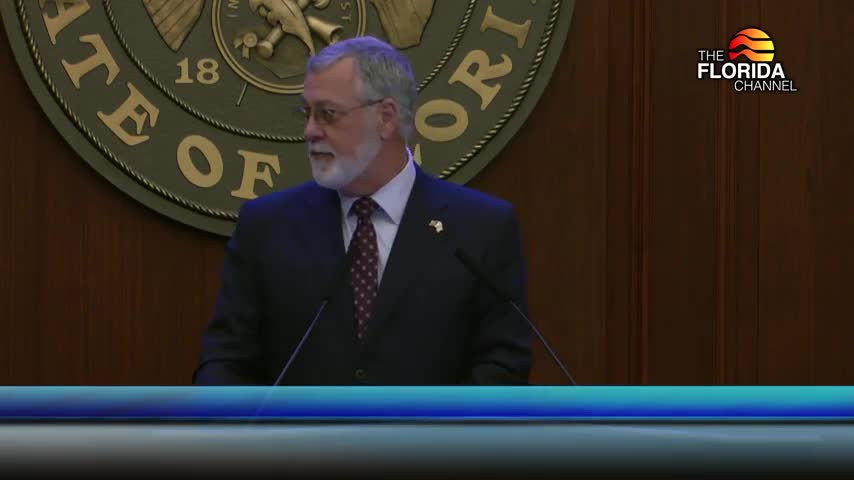
Senator Aaron Gates, sponsor: "We were asked about the 10 days, and it is 10 calendar days that someone would have in order to turn in the petitions. The division has a rule that says if that falls on a weekend, it would be the next business day." The bill sets a 10-calendar-day window for submitting petition forms and adds new verification and reporting requirements tied to petition circulators.
Supporters said the changes respond to documented fraud and investigative findings. The bill’s sponsors and staff cited an executive summary from the Office of Election Crimes and Security that, according to sponsors, says the number of paid circulators implicated in criminal activity "has now grown to well over 100 affecting many thousands of Floridians." Sponsors also told senators that election authorities referred roughly 18 arrests, 13 pleas and four cooperation agreements tied to petition-gathering activity in 2024, and that Palm Beach County alone referred about 85 paid circulators for alleged fraud.
Opponents said the new rules will raise costs, restrict grassroots access and risk criminalizing ordinary volunteers. Senator Jessica Polsky said the bill will "make it so hard and so expensive that only corporate interests are going to be able to ever get a citizen's initiative on the ballot." Several senators argued existing laws already punish forgery and criminal conduct and that supervisors of elections and statutory processes can address bad actors.
The measure includes a ban on using state funds or government communications to advocate for or against ballot initiatives; advocates of that provision said it prevents misuse of taxpayer dollars in future campaigns. Other provisions discussed on the floor would require certain circulators to register and would create administrative and criminal penalties if sponsors or paid contractors fail to meet the bill’s new eligibility and verification requirements.
Senator Rosalind Davis pressed sponsors on cost and implementation, warning the bill will impose new technological and staffing demands on the 67 supervisors of elections. "This will require software, secure transmission systems, and additional staffing," she said, noting the bill does not appropriate funds for those new duties.
Senator Tyler Birmingham warned the chamber about constitutional limits, citing Article 11, Section 3 of the Florida Constitution and U.S. Supreme Court precedent protecting petition circulation as core political speech. "This law fails that test and is clearly unconstitutional," Birmingham said in debate.
After closing remarks by the sponsors, the Senate recorded 28 yeas and 10 nays and the presiding officer announced the bill passed.
What happens next: Because the bill changes the threshold and process for placing constitutional amendments before voters, it now moves to the House for consideration. Supporters said the measure is aimed at preventing large-scale fraud in petition drives; opponents said it will raise costs and legal risks that will deter citizen participation.
The Senate debate included extensive references to an executive summary and investigatory materials from the Office of Election Crimes and Security; the bill itself includes new procedural and enforcement mechanisms for petition campaigns. The specific criminal and civil penalties included in the bill, and how courts will interpret the new standards, could prompt litigation if the law becomes final.