Citizen Portal

Phoenix speakers describe backyard garden program as tool for food security; city funding to continue, speaker says

3175968 · May 2, 2025

Get AI-powered insights, summaries, and transcripts

Subscribe
AI-Generated Content: All content on this page was generated by AI to highlight key points from the meeting. For complete details and context, we recommend watching the full video. so we can fix them.

Summary

Residents and participants described the City of Phoenix Backyard Garden program, which provides home gardening systems, training and one year of support; a speaker said the city will continue the program using general municipal funds.

A range of residents and program participants described the City of Phoenix Backyard Garden program, its gardening systems and benefits for food security, and said the city will continue the effort using general municipal (general fund) dollars.

The program supplies participating households with one of three garden systems — raised beds, a LEER system and an aquaponics option — plus seeds, plants, training, maintenance and one year of follow-up support, speakers told the meeting. Organizers said the effort targets city neighborhoods with limited access to affordable, nutritious food.

“A Backyard Garden program is a program where we empower residents to grow their own food,” a resident said, describing the package of equipment and training. Speakers emphasized practical benefits: fresher produce, lower grocery costs and educational opportunities for families.

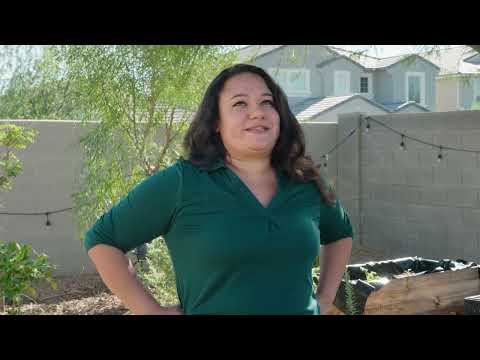
A program participant described finding the effort through the City of Phoenix website and said the installation changed how her household eats: “I like to come out here in the morning because the lettuce is the sweetest in the cold of the morning,” she said, adding that the project introduced her to new crops such as broccoli.

Program representatives referenced three partners who supply or support systems: Tiger Mountain Foundation (raised beds), LEER (the LEER system) and NXT Horizon (aquaponics), and said staff install systems and provide one year of technical support. One participant said the program helped her harvest 40 pounds of greens in a year and share produce with family and her church.

Speakers described different systems and how they fit Phoenix conditions: a composting LEER setup that flushes nutrients through soil, a Tiger Eyes raised bed design that aims to retain moisture and block weeds and rodents, and aquaponics systems that combine fish and plants. A resident explained the concept of aquaponics: “The plants produce chemicals the catfish need, and the catfish produce chemicals the plants need.”

Several speakers said program leaders targeted parts of Phoenix identified as food deserts and hoped backyard production could help offset the decline in larger urban farms. One speaker said, “The City of Phoenix is continuing the backyard garden program with the general funds,” but the transcript did not include a formal vote or ordinance text confirming a council action.

Speakers also noted practical lessons and limitations: participants learn what to plant and when to water in Arizona’s climate, and some systems require regular maintenance (for example, monitoring water chemistry in aquaponics). Organizers said outreach and connectivity help neighbors adopt gardens and that the program has installed additional beds in community gardens.

The meeting included personal accounts of behavioral changes — parents reporting children eating fresh produce picked from backyard systems — and calls from participants to expand the effort into larger backyard farming where the environment allows. The transcript did not record a formal board vote or a staff report with implementation timelines.