Get Full Government Meeting Transcripts, Videos, & Alerts Forever!
Get email alerts on the National Guard Militia Language topic
No spam. Unsubscribe anytime.
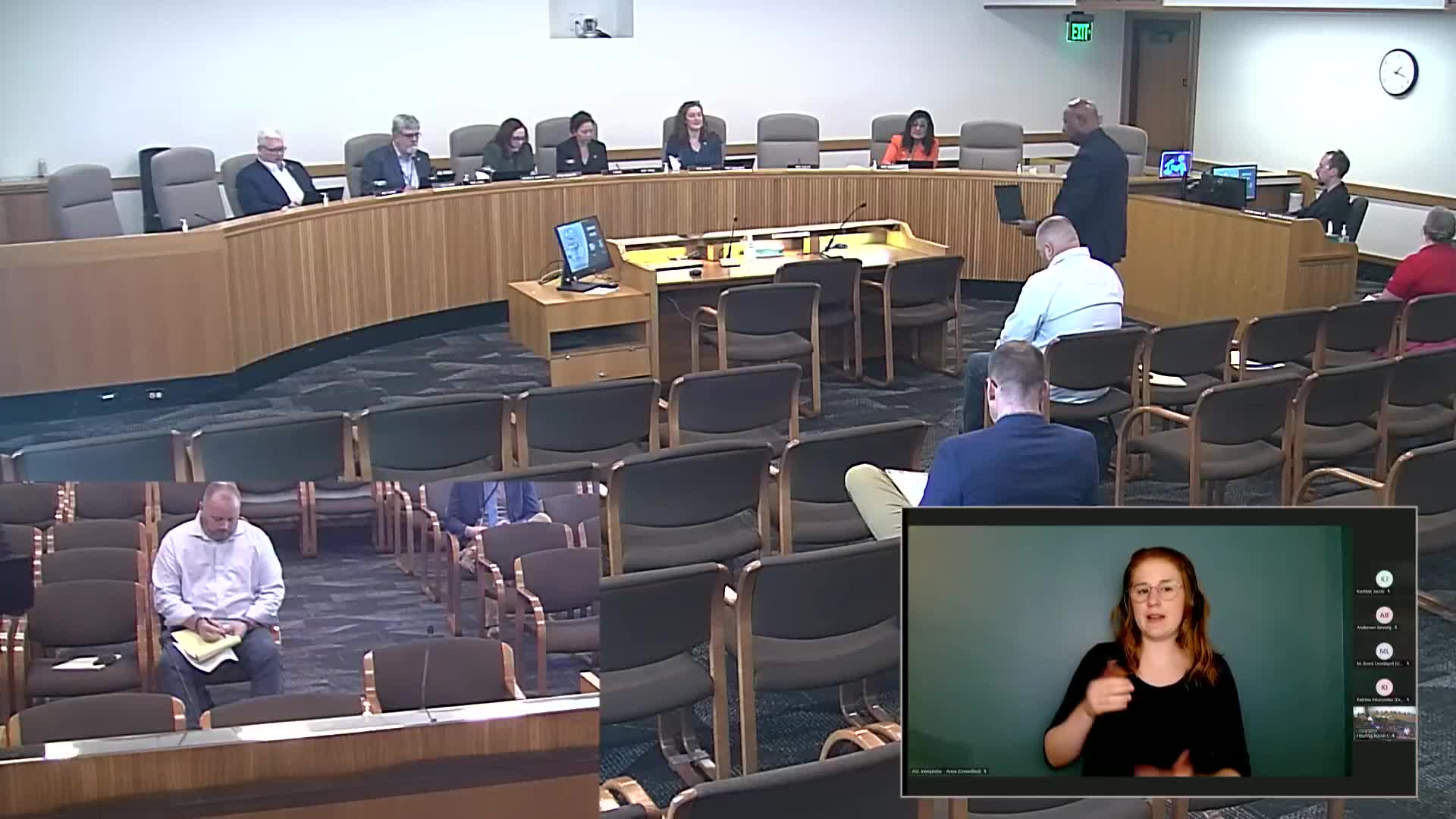
Panel debates replacing 'militia' language with 'National Guard' in state law
Summary
Lawmakers and public witnesses clashed over language changes in Senate Bill 947A that would replace references to "organized militia" with "National Guard" and remove references to an "unorganized militia." Supporters called the change a matter of respect; opponents said deleting historic language raises constitutional and volunteer‑capacity
The House Committee on Emergency Management, General Government, and Veterans opened a public hearing Thursday on Senate Bill 947A, a measure that replaces references to "organized militia" with "National Guard" in state statutes and removes references to an "unorganized militia," legislative staff told the committee.
What the bill does: LPRO staff summarized the measure: "Senate Bill 947A replaces organized militia with National Guard and statute. It removes unorganized militia and references to that term from statute and replaces it with general public and statute relating to the draft. It removes references to misdemeanors for failing to report for the draft and for hindering National Guard military duties." Staff also noted no fiscal or revenue impact per the summary.
Sponsor and supporters: Senator James Ivory Manning Jr., sponsor, said the change is intended to honor and accurately describe modern service members: "This is what this bill is about. How do we demonstrate that, we have the respect for all of our guardsmen, whether they're air guard or army guard, as guardsmen." He said the change is prospective, does not alter the Oregon or U.S. Constitution and does not affect gun ownership.
Opposition and concerns: Multiple public witnesses and committee members raised concerns that deleting language about an "unorganized militia" erases historic terminology and could have unintended effects or confuse volunteers. Derek LeBlanc, who identified himself as from Senate District 7, said he opposed the bill as written and argued the unorganized militia reflects a long civic tradition: "We have a historic tradition about a civilian militia that goes back to the founding of our country, also the founding of our state." He said changing terminology could stigmatize civic volunteers.
Legal and operational clarifications: Committee members asked whether the bill would prevent civilians from volunteering to help law enforcement or responding to emergencies. Deputy Legislative Counsel Christopher Alnett told the committee, "This bill does not prohibit or change the law with regards to, a person's, ability to volunteer in any capacity, whether to help, law enforcement or National Guard or even an emergency or outside of an emergency type of situation. So this bill does not change, that." The sponsor reiterated that the measure does not affect firearm rights or existing law on volunteering.
Statutory specifics raised: Representative Lewis noted the bill deletes language in ORS 396.105 that currently defines an "unorganized militia" as able‑bodied residents of certain ages. Manning said the bill replaces the older phrase with "general public" in the same contexts and that legislative counsel had reviewed constitutional concerns.
Process and next steps: The committee closed the public hearing on SB 947A after extended testimony and questions; no committee vote was recorded in the transcript. Several witnesses asked for written clarifications from legislative counsel to resolve technical or historical questions.