Oregon lawmakers hear how state inspection grants and new technology aim to expand meat processing capacity
Loading...
Summary
An informational Senate Committee session on May 1 heard industry and Oregon Department of Agriculture officials describe how state inspection, grant funding and equipment investments are expanding local meat-processing capacity, easing COVID-era bottlenecks and confronting waste-disposal challenges; no legislation was acted on.
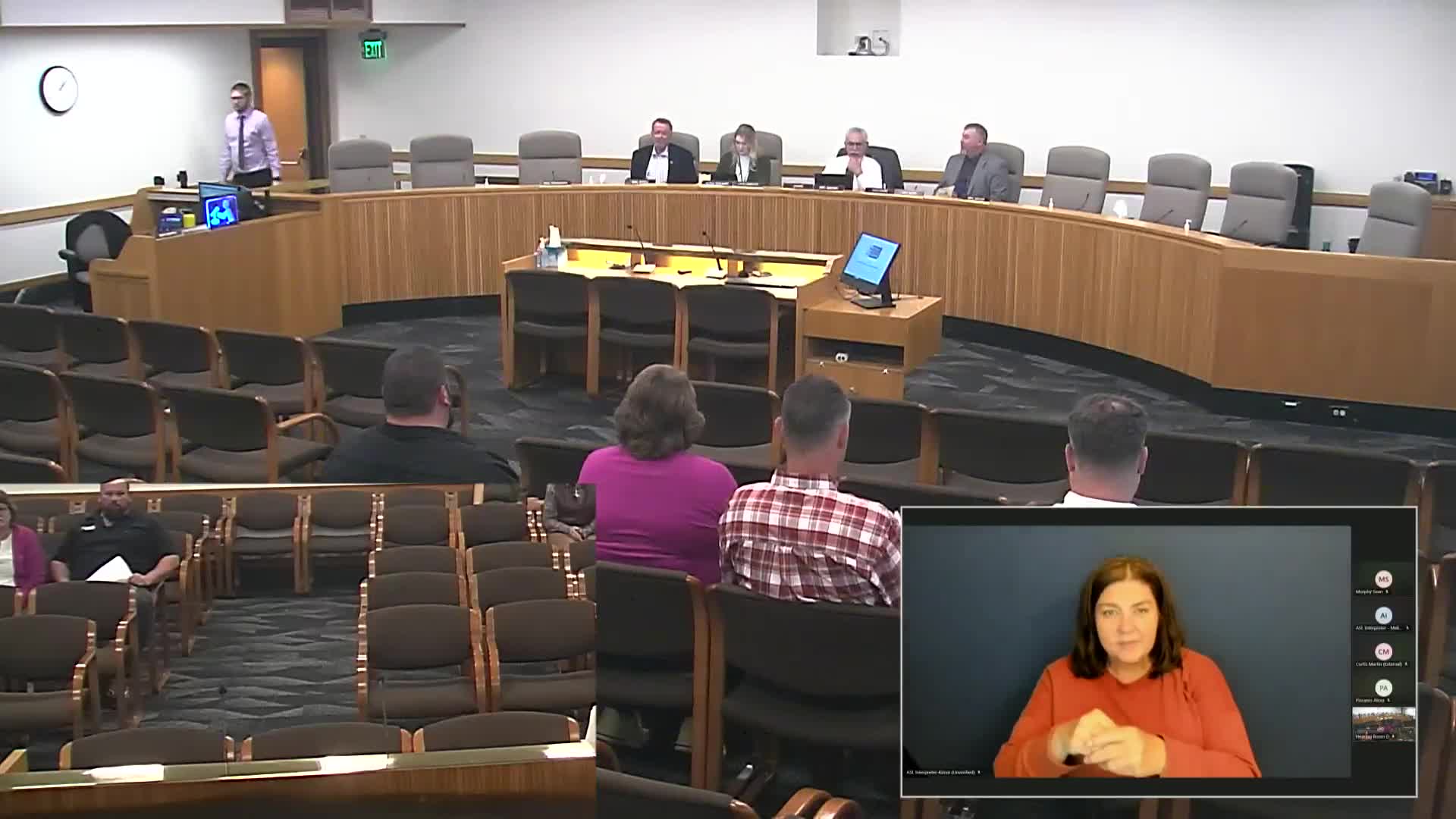
An informational hearing of the Senate Committee on Natural Resources and Wildfire on May 1 focused on Oregon's growing state meat inspection program, recent grant-funded upgrades to small processors, and remaining obstacles including rendering and workforce shortages. Committee leaders said the meeting was for information only and no bills were worked or voted on.
The Department of Agriculture told the committee the state program was created to help small and very small processors meet food-safety standards and allow inspected product to be sold within Oregon. "Our state meat inspection program really consists of an effort to bring the ability to have local beef and other amenable species into commerce," said Rusty Rock, division director for the food safety and animal health programs at the Oregon Department of Agriculture (ODA). Paul Sherman, ODA meat program specialist, added that the state inspection program makes it possible for facilities to wholesale product within Oregon instead of labeling it "not for sale." "Currently it's about 82" custom-exempt facilities, Sherman said, noting the number fluctuates year to year.
The hearing gathered processors, trade groups and producers to outline how grants and equipment purchases have increased capacity and what remains to be done. Tanya Dolby, co-owner of H and K Meats in Jefferson and treasurer of the Northwest Meat Processors Association (NWMPA), described a 2024 renovation that tripled cooler space and raised a roof to accommodate larger modern beef carcasses. Dolby said building and refrigeration work cost roughly $420,000, and that ODA grants accelerated the timeline for upgrades. "The grant was a blessing to us," she said, adding the work should allow the facility to seek state inspection by June 2025.
Industry representatives said the investments are producing measurable increases in capacity and local economic benefits. Jake Hines of Hines Me Company and Jason Johnston of Mountain Valley Meat Service described new packaging, grinding and vacuum equipment purchased with grant funds to increase sanitary handling and throughput. Johnston also outlined plans to install a digester to process byproducts on-site; he said the digester can "process almost 4 ton" of material per day and produce a compost-like soil amendment, but current rules limit accepting byproduct from other facilities without different licensing.
Trade groups and colleges described parallel workforce and training efforts. Troy Wilcox, executive director of NWMPA, said a USDA-linked grant awarded to Oregon State University and partners totaled $650,000, with NWMPA receiving $58,000 over three years to support an apprenticeship and meat-cutter training program. Blue Mountain Community College received roughly $300,000 from the same effort to expand training in Pendleton. Wilcox and other speakers urged continuation of grant programs, assistance with wages for new hires, and more HACCP training to grow a pipeline of butchers and processors.
Producers and cattlemen underscored demand from ranchers and the rural economic impact of local processing. Matt McElligott, president of the Oregon Cattlemen's Association, and Curtis Martin, a rancher and Oregon Beef Council board member, told the committee that grants and local inspection options help producers access niche and retail markets without shipping animals out of state. Mike Alger, a third-generation butcher and rancher, said rendering and disposal costs are becoming a business constraint: "Last year, just my landfill fees was $30,000," he said, describing regular hauling and fees and the prospect that local renderers may close in coming years.
Committee members requested follow-up on regulatory barriers. Vice Chair Nash asked staff to contact ODA and other agencies to identify state laws or rules that inhibit processors' ability to manage byproducts, wastewater and on-site composter/ digester operations. The session was informational only; no motions or votes were taken.
Speakers repeatedly thanked ODA staff for outreach and the grant programs that helped bring multiple facilities toward state inspection. Several presenters said more funding or low-interest loans, continued training support and adjustments to state rules on byproduct handling would help expand inspected capacity across Oregon.
The committee adjourned at the end of the informational session; senators noted the topic will return for further consideration and that some related bills (cited by processors) remain under discussion.