Get Full Government Meeting Transcripts, Videos, & Alerts Forever!
Get email alerts on the Municipal Budget topic
No spam. Unsubscribe anytime.
Council debates using fund balance, tax scenarios and revenue options as 2025 budget gap narrows
Summary
Council members reviewed deficit estimates, discussed using fund balance and trust accounts, and directed administration to develop revenue and cost‑reduction options; several council members signaled support for a 2.5% tax‑rate benchmark for further work.
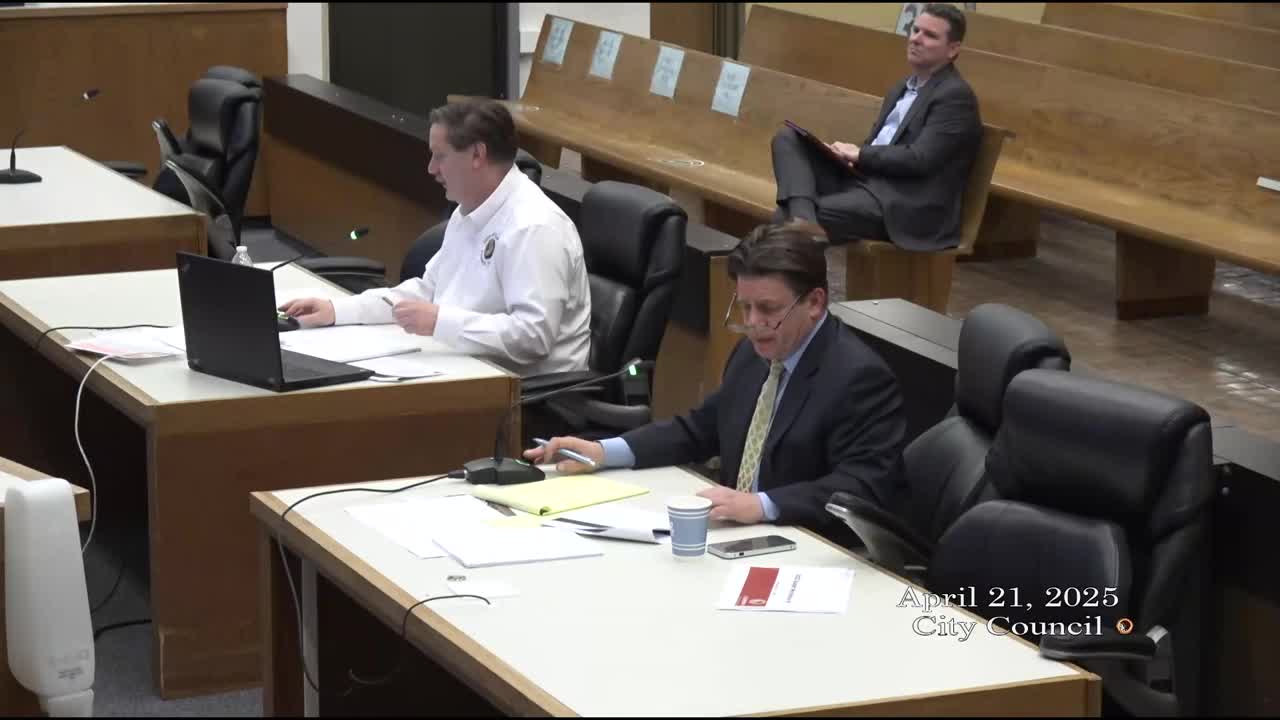
Interim City Manager Joe DeMarzo and the city’s auditor and CFO told the Clifton Municipal Council that the city’s unaudited current‑fund balance is about $14 million and that the council must weigh how much of that reserve to use to close a 2025 budget gap.
Why it matters: Council members said the municipality faces a sizable operating gap after recent staff raises, benefit costs and lower‑than‑expected grant receipts. "Legally you can use it; you have $14,000,000," auditor Robert Hague told the council, but he cautioned that using a large portion of reserves requires a plan to regenerate them or the city could face bond‑rating pressure if balances shrink materially.
DeMarzo and CFO figures presented shifting deficit calculations during the discussion: the council started the session citing a roughly $6.8 million shortfall from earlier work, then identified combinations of cuts, increased use of fund balance and deferred capital that reduced a working deficit to about $4.6 million by the end of the session. DeMarzo described scenarios that use more fund balance in 2025 paired with near‑term revenue projects to avoid larger tax increases.
Council direction and revenue options: Council members pressed administration for concrete revenue and savings options rather than one‑off fixes. Ideas discussed included parking meters (a parking pilot for lots and on‑street meters that Enterprise and city staff said could be implemented as early as fall), sale of city properties, cannabis‑related revenues (not adopted locally in past councils), and outsourcing curbside recycling. Councilwoman Rosemary Pino urged moving on parking meters and referenced prior consultant work estimating up to $1.8 million from parking lot pilot programs, noting that prior studies differentiated lot vs. street revenue.
Sewer rates and timing: DeMarzo said sewer rate changes adopted in first reading would go back to the council for final adoption May 6 so the sewer billing mailed in June will reflect revised 2025 rates. "It's up for adoption at the May 6 meeting," he said.
Tax guidance and next meeting: After extended debate, five council members said they were comfortable using a 2.5% tax‑levy increase as a starting point for the next workshop; other members said 2.5% would not be enough to restore sustainability without deeper cuts. Council members asked administration to model multiple scenarios (2.5%, 3.0%, 5.0%) and to return with a menu of specific revenue actions and department‑level expenditure options for the next budget workshop.
Ending: The council gave administration direction to draft bid specifications for recycling outsourcing and to prepare multiple budget scenarios and supporting worksheets for a follow‑up workshop; no final adoption of the general budget or tax levy occurred at the April 21 meeting.