Get Full Government Meeting Transcripts, Videos, & Alerts Forever!
Get email alerts on the Fleet Management topic
No spam. Unsubscribe anytime.
Council reviews city fleet inventory as Enterprise proposes options to cut costs
Summary
Enterprise Fleet Management presented a citywide inventory showing 102 city‑owned vehicles and 71 leased units, identified 20 leased vehicles as underutilized and outlined options that could produce modest short‑term savings while requiring further department review and additional data.
Francesca Franco, client strategy manager with Enterprise Fleet Management, told the Clifton Municipal Council that Enterprise’s review shows 102 client‑owned vehicles and 71 vehicles leased through Enterprise.
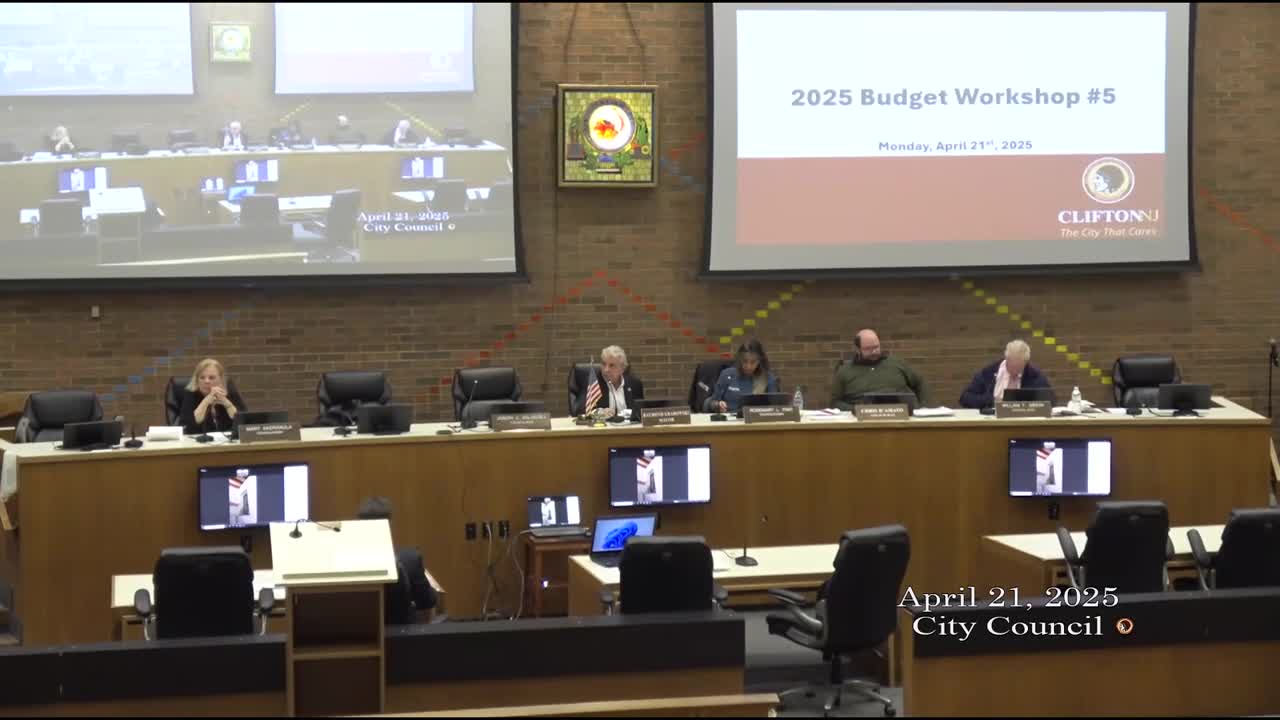
The presentation, given during a budget workshop April 21, centered on 20 leased vehicles Enterprise flagged as least‑utilized based on mileage data collected from June–December 2024. "Based on the data that they provided, we analyzed what are the most underutilized assets based off of mileage patterns driven," Franco said. She told council members those 20 units were highlighted in red on the packet in front of them.
The council and Enterprise staff emphasized that the red list is an initial, short‑window analysis and that department input is required before any turn‑in or sale. "At this point it was just a data collection. No department heads were advised that vehicles would be removed or not removed," Franco said. Interim City Manager Joe DeMarzo told the council he expects a complete department‑by‑department list by the end of the week: "I am in the process of collecting it."
Why it matters: Council members said the city may be paying for leased vehicles that are not used, and they want a single authoritative inventory before taking action. Councilwoman Pino urged quicker follow‑up, saying earlier studies had already identified parking and fleet revenue opportunities. "We would have had been able to take a credit of $1,800,000 if we would have done this years back," she said while noting that the $1.8 million estimate pertains to a pilot for parking lots rather than on‑street meters.
Enterprise provided two options for the council to consider. Turning in the 20 least‑used leased vehicles as‑is would create a short‑term negative equity impact (Enterprise estimated about a $60,000–$66,000 cost to the city if turned in immediately). As an alternative, Enterprise proposed targeting older, city‑owned assets to reduce fleet age; that option produced a conservative estimate of roughly $5,000 in net proceeds from selling or recycling 20 selected owned vehicles. Enterprise staff cautioned equity positions change with mileage and market conditions and noted many leased vehicles show negative equity today.
Council discussion focused on three operational needs: (1) a single verified inventory with department assignments and up‑to‑date odometer readings; (2) a longer data window to smooth seasonal variations (snow‑season use vs. summer); and (3) a plan to consult department heads before taking vehicles out of service. Councilman Latona said turning in 20 leased vehicles is a start and urged staff to prioritize the leased vehicles that are creating recurring monthly payments.
Process and next steps: Council members directed administration to bring the full, department‑by‑department inventory and current mileage data back to the council. Enterprise said the mileage figures they used came from quarterly and manual entries supplied by the comptroller; Franco recommended a longer collection window and departmental verification to avoid selling vehicles that are idle for seasonal reasons.
Several council members asked for a summary sheet (counts by department, leased vs. owned, monthly and annual lease payments) rather than long lists. DeMarzo and Enterprise staff committed to provide the audited inventory and a summary analysis to the council soon.
Ending: The council did not approve any immediate turn‑ins or sales during the meeting; the presentation and the flagged list were accepted as the basis for staff follow‑up and a more complete, department‑validated fleet report.