Get Full Government Meeting Transcripts, Videos, & Alerts Forever!
Get email alerts on the Assistive Technology Education Usdb topic
No spam. Unsubscribe anytime.
Utah Schools for the Deaf and Blind outlines statewide assistive-technology services for visually impaired students
Summary
The Utah Schools for the Deaf and Blind described services from its assistive-technology team and Accessible Learning Materials Center — including 3-D printing, tactile materials, screen readers and teacher training — and said those services support students and teachers across the state.
The Utah Schools for the Deaf and Blind (USDB) described its assistive-technology team and the Accessible Learning Materials Center during a video presentation, saying the team supplies tactile and electronic tools that allow students with visual impairments to access the same information as their sighted peers.
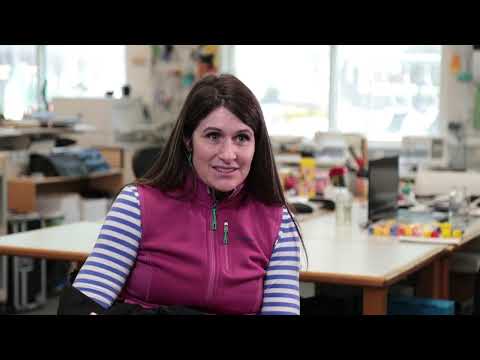
"Typical students access information in a lot of different ways, but kids who can't see need interventions to access the same information," said Jacqueline Phillips, Assistive Technology Team, describing tools such as magnification, tactile materials and audio description that, she said, let students "receive the same information as their sighted peers."
The presentation outlined services the team provides across Utah, including checkouts and management of devices, troubleshooting, custom fabrication and professional development for teachers. The Accessible Learning Materials Center (ALMC) uses 3-D printers and laser cutters to produce high-quality, nonstandard classroom materials and makes individualized adapted materials, the presentation said. The ALMC also produced raised-letter plates for the Dolch sight-word list used with one student, the presenters said.
"I can't imagine life without this assistive technology team," said Alex Westergaard, Outreach Teacher. "Being an educator and having these resources ... changes the way that I work with my students. I can see more students and I can also provide more resources to them in a more timely manner."
The presentation noted both high-tech and low-tech options: tactile maps and raised letters for geography and literacy lessons, and screen readers such as JAWS for digital literacy, including email and Google Docs. Staff said assistive-technology tools are intended to "level the playing field and allow [students] to read and participate in class."
Presenters described a statewide service model: USDB staff said they serve the entire state of Utah and are available to teachers of the visually impaired (TVIs) across districts, including the Box Elder County example used in the presentation. The team also offers professional development and trainings that earn Midas credit, and staff said teachers can schedule consultations through a web dashboard to get help with devices and instruction.
The presentation included an example in which tactile raised letters enabled a student who had not previously been observed reading to identify and speak words; the presenters said the ALMC produced raised-word plates for roughly 500 Dolch words to support that student’s instruction. The presenters emphasized that assistive technology can enable participation and was described as essential for ensuring students are not "left behind."
No formal decisions, votes or policy changes were presented during the video; the session was informational, describing services, examples and training opportunities and urging teachers and TVIs to use the USDB resources.
For more information, the presentation concluded with the USDB logo and the web address usdb.org.