Citizen Portal
Sign In

House subcommittee spotlights OIG findings, low suicide‑screening adherence and VA Risk ID plan

3170122 · May 1, 2025

Loading...

AI-Generated Content: All content on this page was generated by AI to highlight key points from the meeting. For complete details and context, we recommend watching the full video. so we can fix them.

Summary

A House Veterans’ Affairs subcommittee hearing on VA mental health policy highlighted an Office of Inspector General finding of low screening adherence, VA counts of screenings in fiscal 2024, and gaps in inpatient discharge and post‑suicide reviews that OIG says increase risk to veterans.

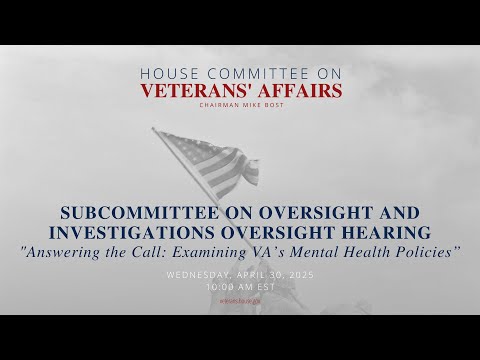
The House Committee on Veterans’ Affairs Subcommittee on Oversight and Investigations held a hearing focused on Department of Veterans Affairs mental health policies and suicide prevention, where independent inspectors and VA officials described gaps in screening, inpatient care and follow-up that oversight teams say must be fixed.

The hearing opened with Chair Julia Mulligan saying the panel would “dig deeper into VA's mental health policies to gain insight into the processes and quality of care decisions regarding Veterans' mental health care.” Ranking Member Veronica Ramirez and other members pressed witnesses on Inspector General findings and VA plans to standardize suicide‑risk screening.

Why it matters: The Office of Inspector General (OIG) told the subcommittee that adherence to the annual suicide‑risk screening requirement was low. “A December 2024 OIG review of VHA's Suicide Risk Screening Compliance found that in fiscal year 23 the annual adherence rate was just 55 percent,” said Dr. Julie Krobiak, Acting Assistant Inspector General for the Office of Healthcare Inspections. OIG reviews also identified lapses in inpatient safety practices, discharge planning and delays in internal reviews after veteran suicides, which the office said impede improvements and can harm families.

VA witnesses described ongoing and planned steps. Dr. Ilsa Weekers, Deputy Executive Director of the Veterans Health Administration Office of Mental Health, said VA completed “over 2,600,000 suicide risk screenings” in fiscal year 2024 and has issued a VHA memorandum requiring implementation of the Suicide Risk Identification Strategy, or Risk ID, by April 7, 2025. “The path forward requires VA to embrace innovation, accountability, and proven practices across every facet of its operations,” Weekers told the committee.

OIG testimony and examples: Krobiak told members that the OIG groups deficiencies into three stages: screening and assessment, acute care management, and post‑event reviews. She cited a hotline investigation in which a crisis line responder “did not fully assess a caller's alcohol impairment and access to lethal means. Shortly after the call the veteran died by suicide.” The OIG also reported failure to follow mandates for removing potentially dangerous belongings from hospitalized patients and lapses in required one‑to‑one observation, both of which preceded suicide attempts.

VISN roles and governance: The OIG described confusion among the Veterans Integrated Service Network (VISN) chief mental health officers about their authority to address noncompliance. “It was concerning that the facility was undergoing such trauma and the VISN either didn't know about it or didn't effectively intervene or monitor the events that were occurring,” Krobiak said. VA officials told the committee the Office of Mental Health has drafted a functional statement to clarify VISN chief mental health officer roles.

Standards, training and guideline updates: Dr. Weekers pointed to a 2018 National Strategy for Preventing Veteran Suicide and a 2024 joint clinical practice guideline from the VA and Department of Defense for assessment and management of patients at risk for suicide. She said VHA requires suicide‑prevention training for all staff and specialty training for Suicide Prevention Coordinators and clinicians.

Discussion versus decision: Witnesses described initiatives and policy instruments (Risk ID memorandum, role‑clarification drafts, training requirements). The committee did not adopt or vote on new rules at the hearing; members requested further information and VA officials pledged to provide follow‑up data and documents.

Next steps noted: Members pressed for clearer lines of authority at the VISN level and full implementation of Risk ID. Both VA and OIG said continued oversight and collaboration will be needed to close the gaps identified by inspections and hotline reviews.

Ending: The subcommittee left the hearing with concrete OIG findings to probe further and VA assurances that memoranda, training and functional statements are being pursued to improve suicide‑risk identification and inpatient safety.