Get Full Government Meeting Transcripts, Videos, & Alerts Forever!
Get email alerts on the Transmission Lines topic
No spam. Unsubscribe anytime.
Commissioner voices opposition as Maryland Piedmont Reliability Project survey orders spread to neighboring counties
Summary
A Carroll County commissioner criticized court orders directing PSE&G surveyors onto private property as part of the Maryland Piedmont Reliability Project, and said the county will monitor and support affected landowners.
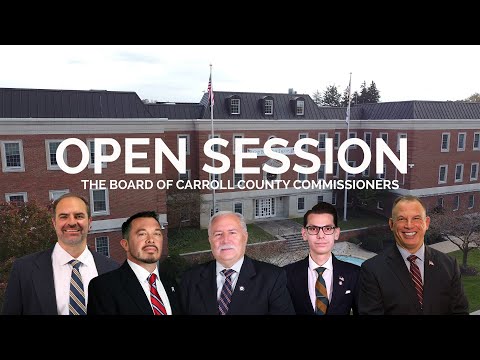
A Carroll County commissioner used his May 1 remarks to sharply criticize recent court orders that have required private‑sector survey teams to access landowners’ property for the Maryland Piedmont Reliability Project (MPRP), and said the county will stand with affected residents.
The commissioner described an initial wave of orders in Baltimore County and said he was concerned the next rounds could extend to Carroll and Frederick counties, potentially affecting "hundreds of landowners." He said the orders require landowners to respond within short timeframes and force them to retain legal counsel to contest access.
"It seems unfair. It seems un‑American that you would be forced to allow people onto your property without your permission," he said, adding that residents in his district and nearby counties have resisted the project. The commissioner also said he disputed claims by the utility and project proponents that the line was essential to avoid power losses or brownouts in Carroll County; he referenced PJM, the regional grid operator, and said public information did not support those assertions.
The board discussion did not include any formal action; commissioners and staff said they are monitoring legal developments and will continue to support local landowners and advocacy groups opposing the project.
Ending: The board did not take formal action at the meeting but signaled continued oversight and expressed support for affected constituents as litigation and permitting proceed.