Get Full Government Meeting Transcripts, Videos, & Alerts Forever!
Get email alerts on the Native American Education topic
No spam. Unsubscribe anytime.
Davis School District teacher describes Navajo language and culture course, students report stronger identity
Summary
Patricia John, a school coordinator and Navajo language and culture teacher with the Office of Equal Opportunity, described a multiunit Navajo language and culture course in Davis School District and students spoke about learning language, winter stories and connecting with family.
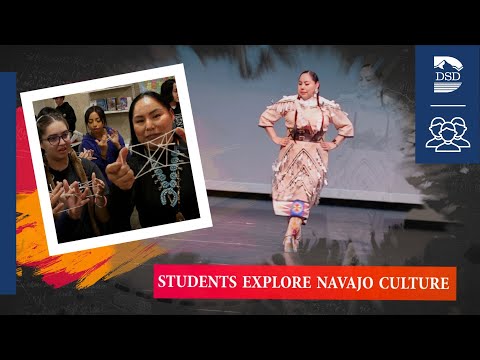
Patricia John, a school coordinator with the Office of Equal Opportunity and the Navajo language and culture teacher for Davis School District, described a multiunit course that teaches Navajo language, clan history, traditional stories and cultural practices, saying the class helps students connect with their heritage.
"In the Navajo language and culture class, we do have 4 units. We have family tree, we have clanship, we learn about constellations, numbers, and I call it the science unit. And then the last component is the Navajo winter stories," John told the meeting.
John said the high school component includes a government unit that "begins from the 18 hundreds about Native American history," covers the Navajo Code Talkers and "Navajo government," and brings cultural items such as jewelry and turquoise into class lessons.
Students who spoke during the same session described the class as revealing and identity-building. One student said, "It's like history class that I've never taken before." Another student said, "My grandma is full Navajo. From this class, I was actually able to reach out to her and just ask her kind of about our Navajo culture. We are able to connect just a little more deeply with that." Those remarks occurred during public comment and were presented as personal observations, not district policy statements.
John described winter stories as sacred and restricted to the winter season, and she said classroom activities include reading culturally significant tales and playing traditional string games: "it is an important component as one of the winter activities we do, and it's fun to just see that challenge." Students said the class size is small but that the smaller group supported closer connection and learning.
No formal board action, motion or vote was reported in the transcript related to the presentation. The remarks instead represented a teacher's description of course content and students' testimonials about how the class affected their cultural knowledge and family connections.