Marshals‑Service Nominee Pledges to Follow Court Orders, Prioritizes Judicial Security amid Deputation Concerns
Loading...
Summary
Gatti Seralta, nominated to lead the U.S. Marshals Service, told the Senate Judiciary Committee he would prioritize judicial security and enforce all lawful federal court orders, and said he would review reported uses of special deputation for private security.
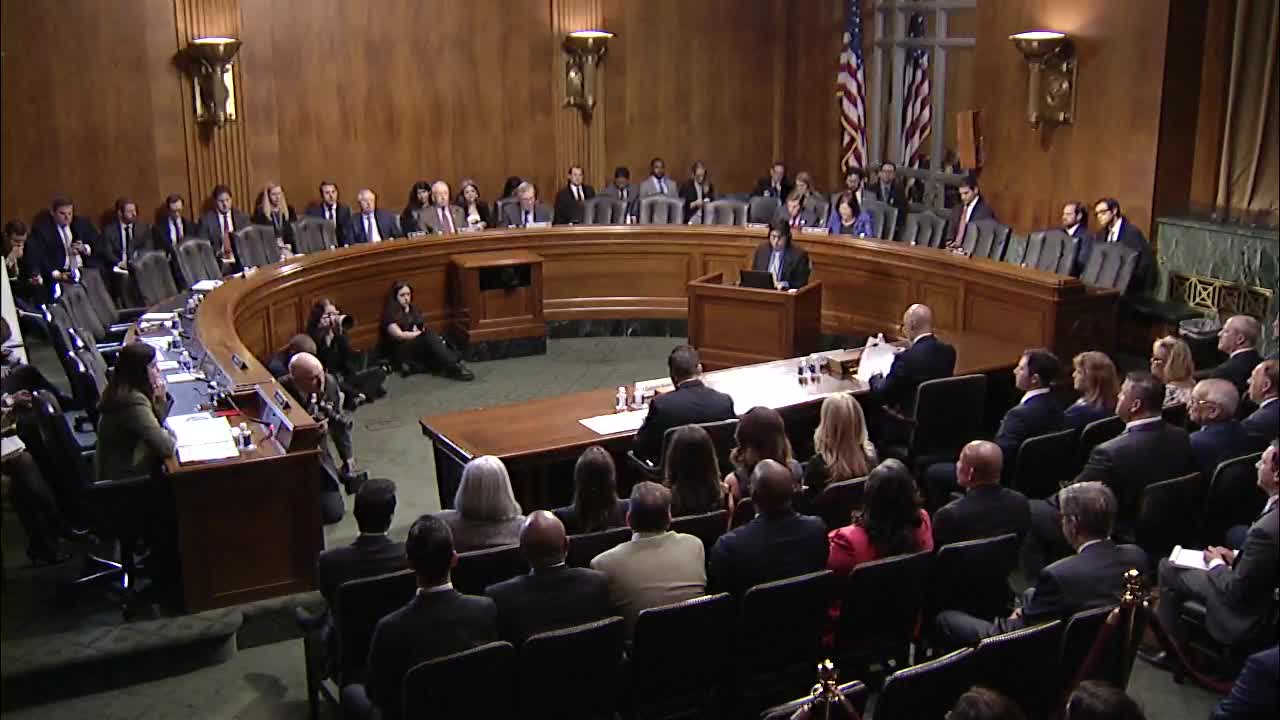
Gatti Seralta, President Trump’s nominee to be director of the United States Marshals Service, told the Senate Judiciary Committee he would keep judicial security and fugitive operations central to the agency’s mission and would “obey, enforce, and execute all lawful orders of the federal courts.” The pledge came amid senators’ questions about reports that the Marshals Service deputized private security guards linked to a high‑profile private individual and about whether the agency is being asked to reduce staff or redirect duties.
Sen. Richard J. Durbin opened with a broad concern about recent Justice Department actions and reports that marshals were diverted from core duties, saying judges of both parties fear a reduction in protection. Durbin urged Seralta to commit under oath that he would not “withdraw or reduce judicial security, period.” Seralta responded that judicial security is his top priority and that he has increased oversight of judicial protection and threat investigations in the Southern District of Florida.
Lawmakers pressed Seralta on staffing and the potential effect of a voluntary retirement invitation reportedly sent to thousands of Marshals Service employees. Sen. Durbin and others cited an estimate of about 5,600 employees and said roughly 5,000 had been invited to consider resignation; Seralta said he would study national staffing levels and take resource requests to the Department of Justice if additional staffing were needed. “If someone has earned their stripes ... and they'd like to retire, that's their right,” Seralta added, while also noting many personnel seek extensions to continue working.
Senators asked whether the Marshals Service would follow court orders that a political appointee or the attorney general might oppose. Seralta repeatedly pledged to enforce “all lawful orders issued by a federal court” and said he would rely on legal counsel for advice about lawfulness. Sen. Richard J. Durbin and Sen. Chris Coons framed scenarios in which the agency could be asked to execute orders that create friction with the Department of Justice; Seralta said the agency’s statutory mission requires enforcement of lawful court orders.
Committee members also raised media reports alleging the Marshals Service provided special deputations to private security for a technology executive’s protection detail. Seralta said he was aware of media reporting and that special deputations are governed by Marshals Service policy; he said he would review any such matters and the service’s policy on deputation if confirmed. “It is a policy that I’d have to review when I get there, if confirmed,” he said.
Senators from both parties praised Seralta’s record in the Southern District of Florida, including operations to reduce violent crime and enhanced threat investigations. Supporters inserted letters into the record attesting to his partnership with local law enforcement and prosecutorial offices.
No formal actions were taken during the hearing; the committee will circulate written questions to both nominees and consider their written responses as part of the confirmation process.