Get Full Government Meeting Transcripts, Videos, & Alerts Forever!
Get email alerts on the Infrastructure Sidewalks topic
No spam. Unsubscribe anytime.
Logansport sidewalk project delayed after federal cultural review and NDOT timing push work to 2027
Summary
Engineers told Logansport council members federal grant-funded sidewalk work has been delayed by an archaeological/cultural review required under NEPA and by Indiana Department of Transportation (INDOT) scheduling, leaving right-of-way funds unspent and the city facing possible cost exposure.
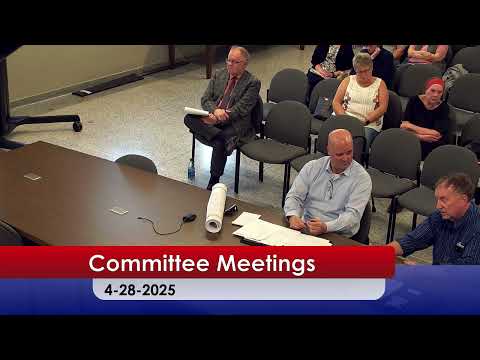
Engineers for a federally funded sidewalk program told the Logansport Planning and Economic Development Committee on Tuesday that a required cultural-resources review and INDOT's review timeline pushed the project out and caused right-of-way funding to lapse.
Tom Cicero, a consultant on the project, said the team expected a faster environmental review but that INDOT required an archaeological reconnaissance: “When we submitted it, it took over a year for them to approve it, review it at the cultural resources level. We resubmitted that back in February, and we're still waiting for it to get final approval from MDOT,” he said. The delay, Cicero said, forced environmental work into winter and then spring, pushing the project schedule past the programmed right-of-way acquisition window.
The engineering team said the original federal grant covered engineering, right-of-way acquisition and construction, and that the right-of-way money was programmed under the assumption the environmental review would finish on schedule. Cicero said that when right-of-way money was no longer available the project team began exploring shifting some construction-phase federal funds into the right-of-way phase so the city could still use roughly 80% federal funding for acquisitions.
Jeff (last name not specified), a member of the consultant team, summarized the proposed fix: the city would write a letter to request transferring federal funds from construction to right-of-way so the acquisition phase remains federally funded, and the team is pursuing combining phase 1 and 2 letting dates to capture cost efficiencies from a larger combined bid package.
Council members and committee participants pressed the consultants about communication and timing. One council member said the city had learned only recently that right-of-way funds appeared to be gone and asked how long consultants had known about the delays. Consultants acknowledged gaps in communication and said the environmental study was the critical path that could not be accelerated by earlier notice alone.
Consultants offered a tentative new schedule: they anticipated letting in February and construction activity primarily in late 2027 into early 2028, with substantial on-site work possibly in 2028. They also cautioned that construction estimates will not be final until the project is bid and unit prices observed closer to the new letting date.
Staff and consultants said they will send current phase-1 and phase-2 plans to council members, continue refining cost estimates during preliminary engineering submittals, monitor INDOT unit-price data, and pursue a formal request to INDOT to transfer funds between phases. The consultants said they could not provide a final dollar estimate for any increased city share until bids are received; they reiterated that under the federal grant structure any construction overages typically fall to the local sponsor unless additional federal funding is secured.
Next steps discussed included: (1) drafting a formal letter to INDOT seeking a fund-transfer; (2) routinely updating unit-price-based cost estimates during preliminary engineering; and (3) emailing the current project plans for phases 1 and 2 to the council so newer members can review the scope.
The meeting record shows no formal council action or vote on funding shifts during the session; consultants said they would return with written requests and updated cost estimates for future committee or council consideration.