Get Full Government Meeting Transcripts, Videos, & Alerts Forever!
Get email alerts on the Collective Bargaining topic
No spam. Unsubscribe anytime.
Teachers, staff and residents criticize board’s prior resolution banning collective bargaining
Summary
Several educators and Manassas residents used the public-comment period to criticize a prior school-board resolution they say banned collective bargaining and cost the division $6,572 to draft. Speakers urged greater transparency and consultation with staff before limiting employees’ ability to pursue collective bargaining.
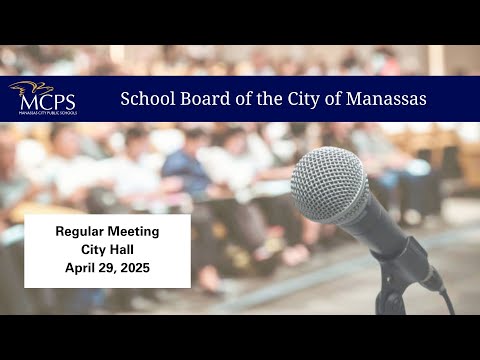
Several educators and residents used the Manassas City Public Schools board meeting public-comment period to criticize a board resolution they said banned collective bargaining and to question the division’s handling of the issue.
The most pointed comments came from a public commenter who identified herself as “the proud president of the MEA Education Association.” She told the board, “We did not ask you for anything. We did not demand contracts,” and added that the board’s action amounted to an attempt to “silence us.”
Why it matters: Speakers said the board spent $6,572 to draft the April resolution and that the resolution was adopted without what they described as adequate consultation with affected staff. Several teachers and a school counselor said the move undermined trust between staff and the board and asked for clearer public access to work sessions and more direct communication with educators.
Details and context
Tammy DeHaven, a Manassas City employee and resident, told the board: “We asked for nothing. You were under no timeline, yet you spent over $6,000 to draft a resolution against what was literally a non threat for at least a year.” DeHaven also requested the board post work-session recordings publicly so residents and staff could review them without filing a FOIA request.
Shaniqua Williams, a school counselor at Metz Middle School, criticized individual board members by name for comments and actions she said shut down discussion. Williams said the decision “hindered the collaborative progress needed to ensure educators have a seat at the table regarding their working conditions.” She also cited what she said were disparaging remarks about Richmond City students and contrasted Richmond’s demographics with Manassas’s.
Other classroom teachers who spoke during the same public-comment block said they had not asked the board to adopt bargaining limits but instead wanted to learn about the process and “start a conversation.” One teacher who identified herself as a Jenny Dean Elementary School teacher described the board’s action as “extremely upsetting” and compared the drive for collective bargaining to historical movements for workplace and voting rights, saying educators were asking for “a seat at the table.”
What the board did at this meeting
The public comments were part of the meeting’s citizen-comment period; the board did not take a new vote on collective bargaining at this meeting. Speakers repeatedly referenced a resolution they said was adopted on April 8 and the consulting work that preceded it; the transcript shows these claims came from public commenters, not from a board motion during this session.
Claims and requests from speakers
- That the division spent $6,572 to draft and adopt a resolution limiting or banning collective bargaining for MCPS employees (stated by multiple commenters). - Requests that work-session recordings be posted publicly without requiring FOIA requests (Tammy DeHaven). - Calls to reinstate or allow a forum for staff to “have a seat at the table” and to permit discussions about collective bargaining rather than preemptively banning it (multiple speakers).
Limits on what was established in the meeting
Comments in the meeting documented residents’ and staff members’ complaints and requests; the board did not vote in public session to reverse, modify or readopt the earlier resolution during this meeting. The transcript records the speakers’ assertions about the April 8 resolution and its cost, but does not contain a board statement in this session that refutes or confirms the figures or the procedural questions raised by speakers.
What to watch next
Speakers asked the board to increase transparency (for example, by posting work-session recordings) and to consult more directly with employees on personnel-policy questions. Any formal change to the earlier resolution or new direction from the board would need to appear on a future public agenda or during a board work session that the board chooses to post publicly.