Get Full Government Meeting Transcripts, Videos, & Alerts Forever!
Get email alerts on the Procurement Thresholds topic
No spam. Unsubscribe anytime.
Board leaves $25,000 purchase threshold in place, asks administration to tighten definitions and reporting
Summary
After an extended study-session discussion, the Prior Lake-Savage Area Schools board agreed to keep the current $25,000 threshold for items reported to the board but asked staff to write clearer procedural language that separates recurring payments from one-time purchase orders.
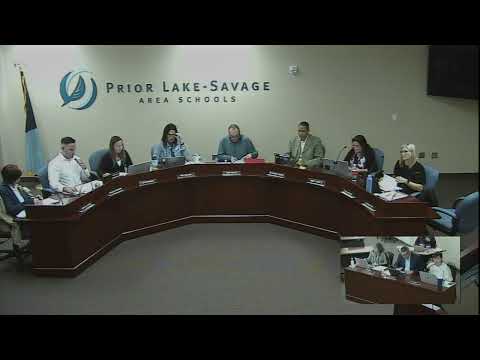
The Prior Lake-Savage Area Schools Board of Education left its current $25,000 threshold for purchase orders in place but directed administration to write clearer procedures that define which transactions must be reported to the board.
Board members debated whether to raise the threshold — several staff and board members said $25,000 is low for a district the district’s size and that capital and recurring purchases can quickly exceed that level. "$25,000 is fairly low," said a staff member, adding that many routine invoices and capital items would trigger unnecessary reporting. Director Atkinson said she opposed raising the threshold until the district can better meet its budget targets: "I do not support raising it," she said.
Nut graf: The discussion focused on balancing transparency with operational efficiency. Board members asked administration to distinguish one-time or bid-triggering purchases from recurring obligations such as utilities, teacher-payroll surcharges and approved multi‑year purchase orders. Staff pointed to the Code of Federal Regulations (2 C.F.R. § 200) and state purchasing practice as context for a higher threshold in many districts.
Board members and staff suggested several changes: adopt a clearer, written definition that (a) treats aggregate, recurring purchase orders differently from stand‑alone purchases; (b) excludes recurring monthly invoices and previously approved master purchase orders from being re‑brought to the board each payment cycle; and (c) requires board notice for bid-triggering procurements. Chair White asked administration and the business office to produce draft procedural language for the board to review at a future meeting.
Ending: No formal motion or vote was recorded at the study session. The board’s direction was procedural: staff will draft clarified language and bring it back for review; the $25,000 reporting threshold will remain in effect in the meantime.