Lifetime Citizen Portal Access — AI Briefings, Alerts & Unlimited Follows
Panel hears bill to clarify that telling someone their rights is not a crime
Loading...
Summary
Senate Bill 1191A would bar charging someone with obstruction or interference for informing another person about civil or constitutional rights. Supporters said the bill protects 'know your rights' education; opponents warned of conflicts with federal law. The committee closed the public hearing without a committee vote.
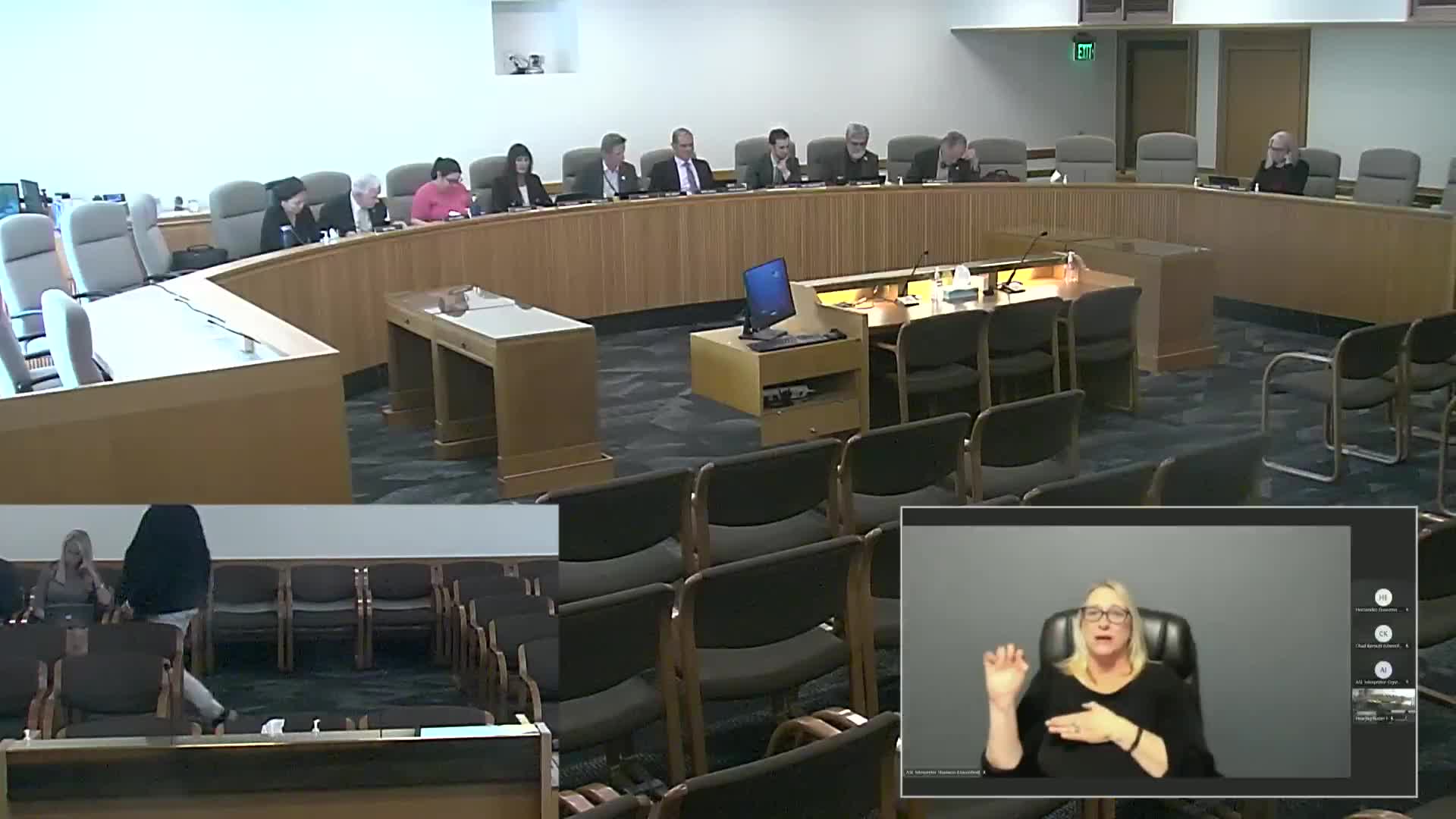
The House Committee on Judiciary on April 30 heard testimony on Senate Bill 1191A, which would exclude from certain Oregon criminal statutes the act of informing another person of their civil and constitutional rights.
Sponsor Sen. James I. Manning Jr. said the bill is about protecting speech that advises people of their rights during encounters with law enforcement. "This bill is simply something of freedom of speech," he told the committee, saying the measure is intended to prevent criminal charges from being brought against individuals who inform others of legal protections.
Supporters included Ira Coyo Martinez of PCUN (described in testimony as Oregon's farmworker union policy and advocacy director), who said "Know Your Rights trainings" are critical for immigrants and others who face confusion or fear in interactions with law enforcement. Kate Sussman of the Northwest Workers' Justice Project said the measure protects educators and community members who provide immediate advice.
A member of the public, Chad Grenette, testified in opposition and argued the bill would conflict with federal law and could shield people who coach undocumented immigrants to avoid federal immigration enforcement; his testimony referenced federal statutes and the doctrine of federal supremacy.
Committee members had no recorded votes during the hearing; the chair closed the public hearing and the committee moved on to other items. Witnesses and the sponsor urged the committee to consider the bill as protecting free speech and public legal education rather than encouraging obstruction of lawful police actions.