Get Full Government Meeting Transcripts, Videos, & Alerts Forever!
Salt River Project outlines pumped‑storage and Verde Reservoir sediment projects to boost capacity and reliability
Summary
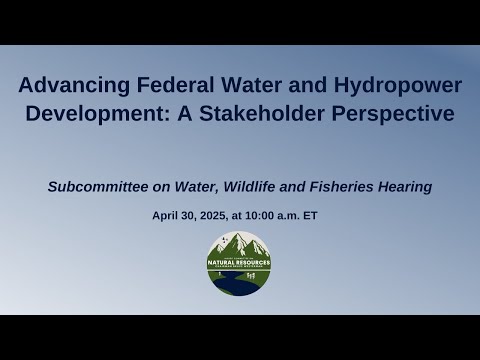
Salt River Project told a House subcommittee it is exploring pumped‑storage hydropower capable of supplying up to 2,000 megawatts for 10 hours and is leading a feasibility study to address sediment loss in Verde River reservoirs that could add hundreds of thousands of acre‑feet of storage.
Patrick Siegel, director of water and natural resources law for Salt River Project (SRP), described SRP’s century‑long reclamation history and presented plans to expand hydropower and storage capacity to meet future water and electricity demand in central Arizona.
Siegel said SRP manages seven dams and reservoirs holding about 2,300,000 acre‑feet of storage and delivers roughly…
Already have an account? Log in
Subscribe to keep reading
Unlock the rest of this article — and every article on Citizen Portal.
- Unlimited articles
- AI-powered breakdowns of topics, speakers, decisions, and budgets
- Instant alerts when your location has a new meeting
- Follow topics and more locations
- 1,000 AI Insights / month, plus AI Chat