Get Full Government Meeting Transcripts, Videos, & Alerts Forever!
Get email alerts on the Budget Financial Review topic
No spam. Unsubscribe anytime.
Sumner City gives high‑level 2024 financial review; sales tax flattens, reserves intact
Summary
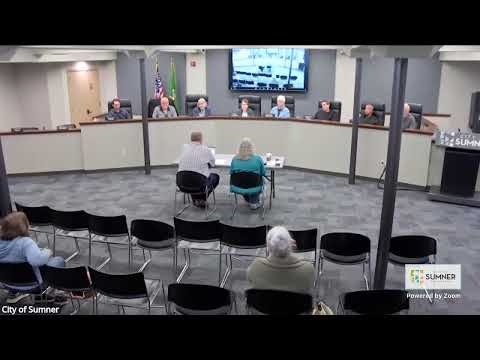
Chief Financial Officer Cassandra Raymond presented a 2024 fiscal year review at the April 28 study session: general fund reserves met the 8% policy target, sales tax revenue flattened, the city carried several capital carryovers into 2025, and Metro Animal Services fund remains thin despite a 2025 per‑capita rate increase.
Chief Financial Officer Cassandra Raymond gave a high‑level review of Sumner City's 2024 finances on April 28, telling the council the city maintained its required 8% general fund operating reserve and ended the year with revenues and expenditures within revised projections.
"We received about 95% of our revised revenues, and we expended about 92% of our revised expenditures," Raymond said, summarizing 2024 activity and noting salary savings from unfilled positions and deferred projects that contributed to the result.
Raymond said sales tax—Sumner's largest and most volatile general fund revenue at about 41%—showed signs of flattening in 2024 across construction and nonconstruction categories. She told council that construction activity recovered from a 2023 dip but that nonconstruction receipts remained softer; overall biennial receipts held near forecast because construction has partly offset other shortfalls.
On specific funds, Raymond said the city created a capital reserve fund in 2024 to hold proceeds from the Sumner Meadows golf course sale; those proceeds will support the governmental share of the new Public Works Operations Facility. The REET (real estate excise tax) fund collected about 78% of forecast and the parks and streets capital funds reflected planned drawdowns tied to grants and projects. The drug enforcement fund showed minimal activity and remains restricted for specific criminal justice uses.
Raymond flagged several other items for council attention: the cemetery fund remains subsidized by the general fund but is recovering from pandemic lows; the fleet replacement program faces supply‑chain delays that push vehicle receipts across fiscal years; and the Utility Bond Reserve Fund holds a balance intended to offset future debt service.
Councilmembers raised business‑retention and attraction as a strategy to support sales tax receipts. Councilmember Kenneth said he was interested in strategies to diversify storefront offerings and boost foot traffic; Councilmember Matt and Councilmember Elfers discussed supporting existing businesses and exploring incentives. Staff identified the Sumner Main Street Association's B&O tax credit program as one existing local tool to support downtown businesses.
On Metro Animal Services, Raymond said the shelter fund operates with a narrow margin and that the council approved a 2025 rate increase—"over a dollar per capita in '25"—to help sustain operations and staffing; the fund still requires monitoring because veterinary professional costs and shelter demand have increased. Councilmember Patel asked whether cities could pay more for shelter services; Raymond said the city raised rates for contract cities in 2025 to help cover staffing and that future changes must be justified by service‑level adjustments.
Raymond closed by showing a multi‑biennium financial model that projects the operating lines crossing in 2028 under current assumptions, noting that staff will continue to look for new revenue sources and manage expenditure priorities to maintain structural balance.
No council votes were recorded during the study session on the 2024 review; Raymond offered to provide detailed, line‑item follow‑ups to any councilmember who requests them.