Get Full Government Meeting Transcripts, Videos, & Alerts Forever!
Get email alerts on the Animal Welfare topic
No spam. Unsubscribe anytime.
Animal Care Shelter asks county for vehicle support and outlines rising medical costs; proposes regional vet collaboration
Summary
The animal shelter’s executive director requested county help replacing aging vehicles, described medical-care costs soaring toward $200,000 this year, and said shelter leaders are negotiating a regional agreement to hire a shared veterinarian to control costs.
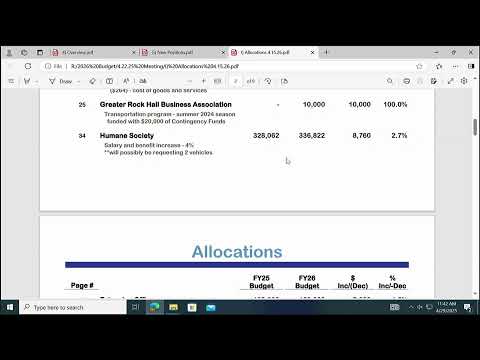
Richard (executive director) told the commissioners the shelter submitted a FY26 budget and requested county assistance to replace two aging county-funded vehicles and help cover rising medical costs.
Richard said the shelter — which provides county animal-control services under contract — has an aging vehicle fleet, and at least one vehicle needs immediate replacement. He told commissioners he previously pledged a $24,000 donation toward a replacement but later lost that contribution to operating costs. He said volunteers effectively supply the labor equivalent of at least one 40-hour and one 20-hour paid position and praised staff retention, but said the shelter is financially strained by medical expenses.
Medical expenses and regional plan: Richard said shelter medical costs have risen from roughly $60,000–$70,000 (four years ago) to a level that “this year, we will exceed ... $200,000 in medical care,” including spay/neuter, medications and other veterinary services. He said local veterinary capacity has diminished and that the shelter is negotiating a collaboration with two or three nearby shelters to hire a veterinarian on staff with county benefits and split the cost and caseload.
Vehicle options and county leasing program: County fleet staff described a county leasing program that rotates vehicles on a five-year schedule. County staff estimated a new Ford F-150 with a bed cap would be roughly $55,000–$57,000 or about $9,500 per month on a multi-year lease (transcript figures cited in discussion). Commissioners and Richard discussed three options: buy a new vehicle outright, use the county lease program (five-year rotation) or accept a used vehicle that the county will retire from its fleet. County staff said they would cost out the three options and return figures in the next week or two.
Other fiscal details: Richard said the shelter carries mortgage debt of about $350,000 and that operating revenues may be underperforming by approximately $100,000. He described efforts to diversify fundraising and attract younger donors and noted plans for public events (a tented fundraiser and a family-oriented Clear the Shelter day). He said at least one major donor offer on a van exists and that the shelter may use sale proceeds to buy needed equipment.
Discussion vs. direction: Commissioners asked for mileage and condition information, and county fleet staff said they would run a cost–benefit analysis; commissioners agreed to return vehicle figures at a future workshop. No formal appropriation vote was taken; the workshop record shows staff will return with options for leasing, purchase, or recycling a county vehicle and that a budget allocation would be required if the shelter chooses a lease option.
Ending: Shelter leaders said they would continue planning the regional-veterinarian agreement and return to commissioners with vehicle-cost options for FY26.