Get Full Government Meeting Transcripts, Videos, & Alerts Forever!
Get email alerts on the Assembly Rules topic
No spam. Unsubscribe anytime.
Committee forwards Resolution 2025‑07 to full assembly to modernize Assembly rules, renaming committee and assigning clerk parliamentarian duties
Summary
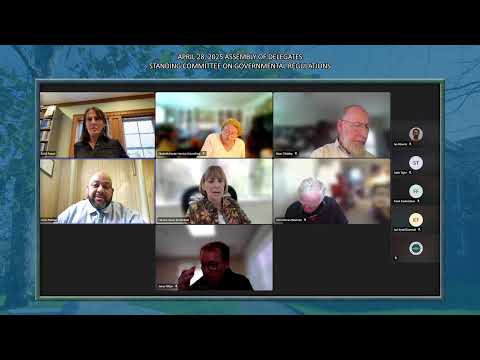
Barnstable County — On April 28 the standing committee on governmental regulations recommended Resolution 2025‑07 to the full Assembly of Delegates, a package of amendments to the Manual of Governance and Procedures intended to align assembly practice with Robert's Rules and contemporary meeting practice.
Barnstable County — On April 28 the standing committee on governmental regulations recommended Resolution 2025‑07 to the full Assembly of Delegates, a package of amendments to the Manual of Governance and Procedures intended to align assembly practice with Robert's Rules and contemporary meeting practice.
The resolution would (1) assign the clerk the duties of parliamentarian and allow training from recognized national bodies; (2) update the order of business for regular assembly meetings to create clearer places in the agenda for announcements and time‑sensitive items; (3) rename the standing committee on governmental regulations to the standing committee on governmental affairs and rules; (4) clarify the committee‑of‑the‑whole role to conform with meeting practice and Robert’s Rules; and (5) permit a standing committee chair to approve committee meeting minutes after providing the report to the full assembly.
Clerk Clark Fletcher described the package as housekeeping and alignment with best practices: "This is an attempt to make sure that what we do is consistent with Robert's Rules and reflects current practice," he said. He noted the redline of the manual was circulated to delegates for review.
Delegates said the changes are intended to provide flexibility to conduct meetings and to create explicit agenda slots for announcements or time‑sensitive resolutions. One delegate asked whether the amendments could restrict existing delegate rights; the clerk and others responded they are intended as procedural modernization and not to abridge current delegate rights. The committee also discussed the broader context of ongoing charter review work and said additional rule or manual changes could follow.
On a committee roll call, delegates voted to recommend the resolution to the full assembly. The roll-call vote recorded six yeses and one abstention; Delegate O'Malley indicated an abstention because he had not had time to review the resolution text in full. The clerk said the resolution is likely to be considered by the full assembly at an upcoming meeting and that delegates may ask for more time or move to delay a vote at the assembly meeting if they wish.
The committee framed the resolution as internal assembly governance (not a county policy change) and said that where the amendments touch county‑wide procedures the full assembly will decide whether any item should go to the county commissioners or voters.