Get Full Government Meeting Transcripts, Videos, & Alerts Forever!
Get email alerts on the Wildlife Management topic
No spam. Unsubscribe anytime.
Residents and commissioners press Fish and Wildlife policy and fee changes during public comment
Summary
During public comment at the Cowlitz County BOCC meeting, residents and commissioners criticized recent Washington Fish and Wildlife fee increases and management of predators and hatcheries, urging greater public involvement and clearer rationale for funding and policy decisions.
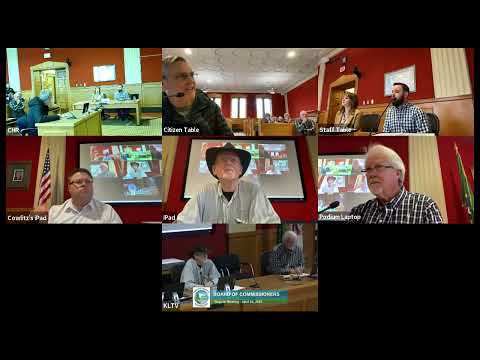
A lengthy public‑comment period at the Cowlitz County Board of Commissioners meeting focused on Washington Department of Fish and Wildlife policy, licensing fees and predator management.
Commissioner Raider and multiple residents raised concerns that the state agency increased hunting and fishing license fees by 38% while reducing hatchery releases and shortening seasons. In an overview of the board’s recent meeting with regional Fish and Wildlife representatives, a commissioner said, "The Fish and Game Department has increased the licensing fees for fishing and hunting by 38% this year." The commissioner and several residents said they want greater transparency about how fee revenue is spent and more citizen involvement in management decisions.
Speakers also discussed predator trends and local impacts. Commissioners and residents described increasing sightings of cougars and wolves, debated the role of monitoring versus active management, and questioned whether agency studies use sufficient local input. One resident said hunters and ranchers "have their thumb on where animals are" and suggested that hunting participation could be better incorporated into research.
Why it matters: Speakers argued that agency decisions on hatcheries, predator management and licensing affect local access to hunting and fishing, wildlife populations and rural safety. Commissioners said regional Fish and Wildlife staff were willing to meet again but appear constrained by higher‑level policy decisions.
Board follow‑up: Commissioners asked staff to schedule more focused sessions with Fish and Wildlife and encouraged submitting questions in advance so regional staff can provide precise answers. The board did not adopt any policy changes at the meeting.
Ending: Commissioners and members of the public agreed to pursue additional meetings and outreach to Fish and Wildlife to seek clarity on fees, hatchery closures and predator monitoring.