Get Full Government Meeting Transcripts, Videos, & Alerts Forever!
Get email alerts on the Recreation Facilities topic
No spam. Unsubscribe anytime.
Casa Grande officials discuss $67 million recreation plan, ask staff to prepare November ballot materials
Summary
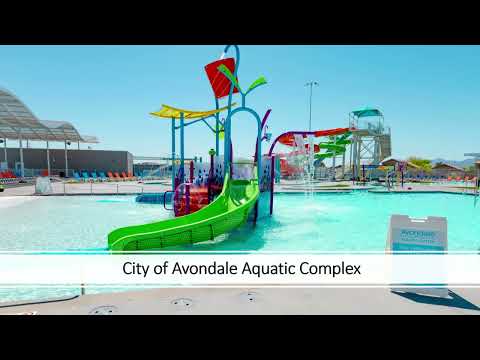
City staff presented concept plans and preliminary cost estimates for new sports fields and a heated aquatic complex, and councilmembers directed staff to prepare a May agenda item to consider a November 2025 bond question.
City of Casa Grande staff presented concept plans and preliminary financing options for a new sports complex and heated aquatic facility and councilmembers asked staff to prepare materials for a possible November 2025 ballot question.
The presentation, led by Danny Gallegos and senior staff member Larry, summarized a community services master plan and offered preliminary cost estimates: roughly $39 million for a cloverleaf-style multipurpose/ballfield complex and about $27 million for an aquatic component, producing a combined planning estimate of approximately $67 million. Larry told the council the city has collected about $8 million in development impact fees related to such amenities, far short of the total cost.
The council heard three financing approaches: pay-as-you-go using development impact fees and construction sales tax revenue; a sales-tax pledge used previously for recreation projects; and voter-approved general obligation bonds. Larry said general obligation bonds require voter approval and noted the city’s legal bonding capacity has increased since 2022. He advised that to place a general obligation question on a November ballot the council would need to act in May to meet county scheduling deadlines.
Staff stressed the numbers are preliminary and based on vendor and peer-city examples, not on completed civil design. Gallegos and staff said a full design process and permitting would likely push construction start roughly 24 months after approval, assuming expedited funding and contracting. Staff also cautioned that site-specific infrastructure costs—roads, parking, stormwater, irrigation and utilities—drive much of the total estimate.
Councilmembers discussed scope and timing. Some members urged exploring whether adding one or more additional multipurpose fields during initial construction would lower the per-field cost, and noted added fields would increase parking and maintenance needs. Councilmember Matt compared local tax and service levels to neighboring communities and said residents ask why Casa Grande can’t host more tournaments locally. Several councilmembers said they support putting a financing question to voters if staff returns with a detailed proposal.
Public commenters urged support for the pool and fields. Sandy, a resident, said an indoor or heated pool would support seniors’ exercise classes and year‑round aquatic programming. Eric Rivera and Sal D’Alessandro urged expanded fields for girls’ sports and emphasized potential economic benefits from weekend tournaments.
Staff next steps and direction: staff will draft agenda items for the council’s May meeting to (1) consider a resolution describing the scope and maximum amount for a possible general obligation bond question and (2) meet Pinal County deadlines to place a question on a November ballot. Council discussion was advisory; no formal vote was taken at the study session.
The council and staff repeatedly framed the project as one component of the city’s broader capital needs, including road and public‑safety infrastructure, and said final financing decisions will require more detailed cost estimates, design, and public outreach.