Get Full Government Meeting Transcripts, Videos, & Alerts Forever!
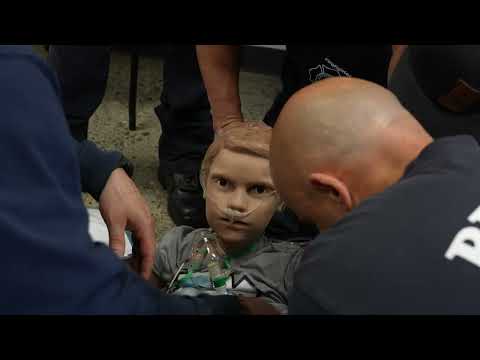
Pediatric simulation program trains about 400 EMS providers since Jan. 1
Summary
A presenter described a new pediatric simulation program that uses realistic school-based scenarios and advanced manikins to train emergency medical services providers; the presenter said the program went live after Jan. 1 and has trained nearly 400 EMS providers.
A staff member, a presenter, said the county’s new pediatric simulation program uses realistic scenarios to prepare emergency medical services providers for childhood emergencies and has trained “almost 400 EMS providers” since it went live after Jan. 1.
The training focuses on high-risk, low-frequency events such as prolonged seizures in children, the presenter said, and is intended to give EMS crews…
Already have an account? Log in
Subscribe to keep reading
Unlock the rest of this article — and every article on Citizen Portal.
- Unlimited articles
- AI-powered breakdowns of topics, speakers, decisions, and budgets
- Instant alerts when your location has a new meeting
- Follow topics and more locations
- 1,000 AI Insights / month, plus AI Chat