Get Full Government Meeting Transcripts, Videos, & Alerts Forever!
Get email alerts on the Sewer Rates Master Meter topic
No spam. Unsubscribe anytime.
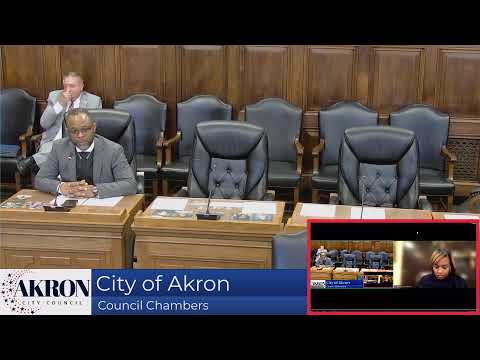
Akron committee clears 25¢ per‑1,000‑gallon increase for master‑meter sewer customers
Summary
The Public Service Committee approved legislation to raise sewer service rates for master‑meter communities that contract with the city, a 25¢ per 1,000‑gallon increase to take effect with the May billing cycle in 2028.
The Public Service Committee on Thursday approved an ordinance to amend sewer service charges for communities served through master meters, increasing the rate by 25¢ per 1,000 gallons.
Service Director Chris Luddle told the committee the adjustment follows a 2017 master‑meter agreement that requires the city to reassess debt service and rates every four years. “This is a 5.3 increase to these communities, for their master meter sewer rate. And what it is is we bill in thousand gallons. They currently pay $4 and 76 per thousand, and it'll be a 25¢, increase, per thousand,” Luddle said.
The affected master‑meter customers include communities served by Summit County (three master meters), Talmadge (two), Coggle Falls (two) and Lakemore (one), Luddle said. He told the committee the change is being finalized now so those communities can budget for the increase before it appears on the May 2028 billing cycle.
Committee members placed the ordinance on the consent agenda and approved it without discussion.
The measure sets rates for the next four‑year period under the 2017 agreement; the city bills those master‑meter customers in thousand‑gallon units, while most residential/commercial billing uses HCF (hundred‑cubic‑foot) units. Luddle provided a conversion example in committee, noting the different unit bases when comparing rates across customer classes.
No public testimony or separate roll‑call vote totals were recorded in the committee transcript; the committee approved the item by voice vote on consent.