Citizen Portal

Senate panel and VA back reauthorizing Staff Sergeant Parker Gordon Fox suicide-prevention grants

3153855 · April 29, 2025

Get AI-powered insights, summaries, and transcripts

Subscribe
AI-Generated Content: All content on this page was generated by AI to highlight key points from the meeting. For complete details and context, we recommend watching the full video. so we can fix them.

Summary

Witnesses, veterans and committee members at a Senate Veterans' Affairs Committee hearing urged reauthorization and expansion of the Staff Sergeant Parker Gordon Fox Suicide Prevention Grant Program, and the Department of Veterans Affairs said it supports continuing the program and expanding grantee capacity.

The Senate Committee on Veterans' Affairs heard bipartisan support for reauthorizing the Staff Sergeant Parker Gordon Fox Suicide Prevention Grant Program and proposals to expand its scope.

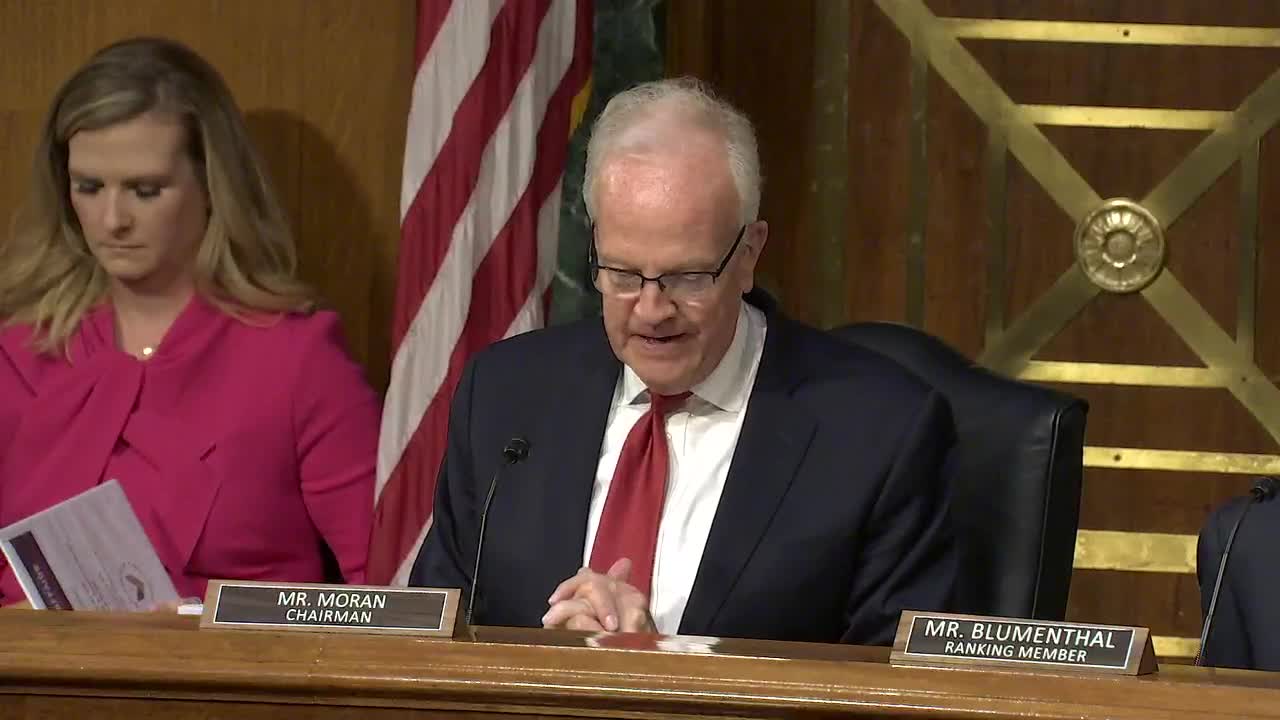
Senate Chairman Jerry Moran opened the hearing on veterans' mental health and said the session would focus in part on the Fox grant program and other pending bills. "We are here to discuss the non clinical suicide prevention services and to hear directly what has worked well and what needs to be altered with the goal of reauthorizing this impactful program," he said.

The Department of Veterans Affairs told the committee it supports reauthorization. "VA strongly supports the reauthorization of this program as it is critical for sustaining and expanding the progress we have made so far," testified Dr. Thomas O'Toole, acting assistant undersecretary for health for clinical services, Veterans Health Administration. He said VA stands ready to implement an extension of the authority as soon as possible and asked that amendments not interrupt ongoing operations.

Senators on both sides described the program as an important complement to VA clinical care. "This program, was a temporary grant program. It is time for its permanent reauthorization," said Senator Mark Warner, who joined earlier congressional efforts that led to the program's creation. Ranking Member Richard Blumenthal said the grant has "been a game changer for so many veterans" and urged bipartisan reauthorization.

VA officials described early program results and scope. Dr. O'Toole said the Fox program began awards on Sept. 19, 2022. He told the committee that initial VA awards included $52.5 million to 80 community-based organizations across 43 states, the District of Columbia and American Samoa, and that, since launch, VA had awarded $157.5 million to 95 organizations across those states, territories and tribal lands. He reported early outcome measures showing 33% of participants were new to VA services and that 75% of participants who completed services showed improvements in mental-health status, social supports and reductions in suicide risk.

Witnesses representing grantees recommended changes to expand reach and reduce administrative burdens. Jim Lorraine, president and chief executive officer of America's Warrior Partnership, urged a continued emphasis on outreach and recommended a simplified intake process for veterans already screened by grantees. Jilly Cantor of the Institute for Veterans and Military Families at Syracuse University told the committee that communities are reaching many veterans not connected to VA health care and urged stronger VA–community coordination.

Why it matters: Committee members emphasized that many veterans who die by suicide have no recent contact with VA services, so community-based outreach and nonclinical supports can identify and connect high-risk veterans to care.

Next steps: The committee is considering several bills that would amend the Fox program's authority and funding, including the HOPE Act, the BRAVE Act, the reauthorization bill tied to Senators Bozeman and Warner, and the Every State Counts for Vets Mental Health Act. VA told the committee it is prepared to work with Congress to reauthorize and expand the program without interrupting existing grants.