Residents and advocates clash during public comment over Mesa nondiscrimination ordinance
Get AI-powered insights, summaries, and transcripts
SubscribeSummary
Public commenters at the April 7 Mesa City Council meeting offered competing views on the city's nondiscrimination ordinance, with some residents calling for repeal and others, including Equality Arizona, urging council to keep protections in place.
Dozens of Mesa residents used the council's public-comment period on April 7 to voice sharply divided views about the city's nondiscrimination ordinance and outside groups targeting a council member.
Multiple speakers urged the council to repeal or revise the ordinance, saying it creates liability or threatens privacy. "Before we have a high-profile incident in the city of Mesa, I feel it is in the best interest of Mesa to repeal this ordinance," resident Antoinette said during public comment. Antoinette asked the council to reinstate a narrower fair-housing focus or to add gender‑separated protections in private spaces.
Other speakers defended the existing ordinance as a necessary protection for LGBTQ residents and people with disabilities. Michael Soto, president and CEO of Equality Arizona, told the council he supported the ordinance and praised Mesa for adding privacy and religious-liberty safeguards. "I used the men's room earlier today before this meeting here in this building," Soto said, noting that there is no credible evidence transgender people assault others in restrooms and that legal protections are important to prevent discrimination.
Some commenters also raised a political dispute tied to the ordinance: Monica Phillips, who said she is a resident of District 6, accused outside group Turning Point USA of funding a campaign targeting Councilmember Julie Spilsbury and urged residents not to sign petitions paid for by outside groups. Phillips said, "Their funding for the campaign targeting Julie Spilsbury comes 100% from outside our community. Their intent is to scare elected leaders into compliance with their political agenda."
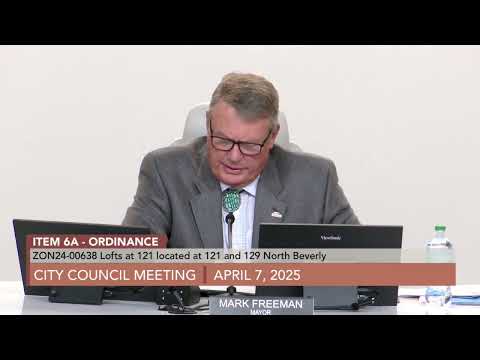
Councilmembers did not take action on the nondiscrimination ordinance at the meeting; the remarks occurred during the meeting's public-comment period. Mayor Freeman and council accepted the comments and moved to other agenda items. The council did not introduce or vote on changes to the ordinance during the session.
Why it matters: Mesa's nondiscrimination ordinance governs how the city and local businesses address protected classes; public debate about the ordinance reflects broader state and national disputes about transgender access to bathrooms, school policies and local governance. The commentary also highlighted tensions over outside groups' involvement in local politics.
What to watch: Any formal effort to amend or repeal the ordinance would require introduction by council and a subsequent noticed public hearing. Council members or staff could place the matter on a future agenda for formal deliberation; at the April 7 meeting, the comments were limited to public input.