Get Full Government Meeting Transcripts, Videos, & Alerts Forever!
Get email alerts on the Planning And Land Use topic
No spam. Unsubscribe anytime.
Development Services reports faster permit reviews, Home of My Own completions and a full zoning code rewrite
Summary
Development Services reported average permit review times near three weeks, completion of 32 'Home of My Own' units, expanded remote inspections that cut travel, and launched a multi-year zoning ordinance rewrite; the department requested a senior planner and a senior land-use specialist for enforcement.
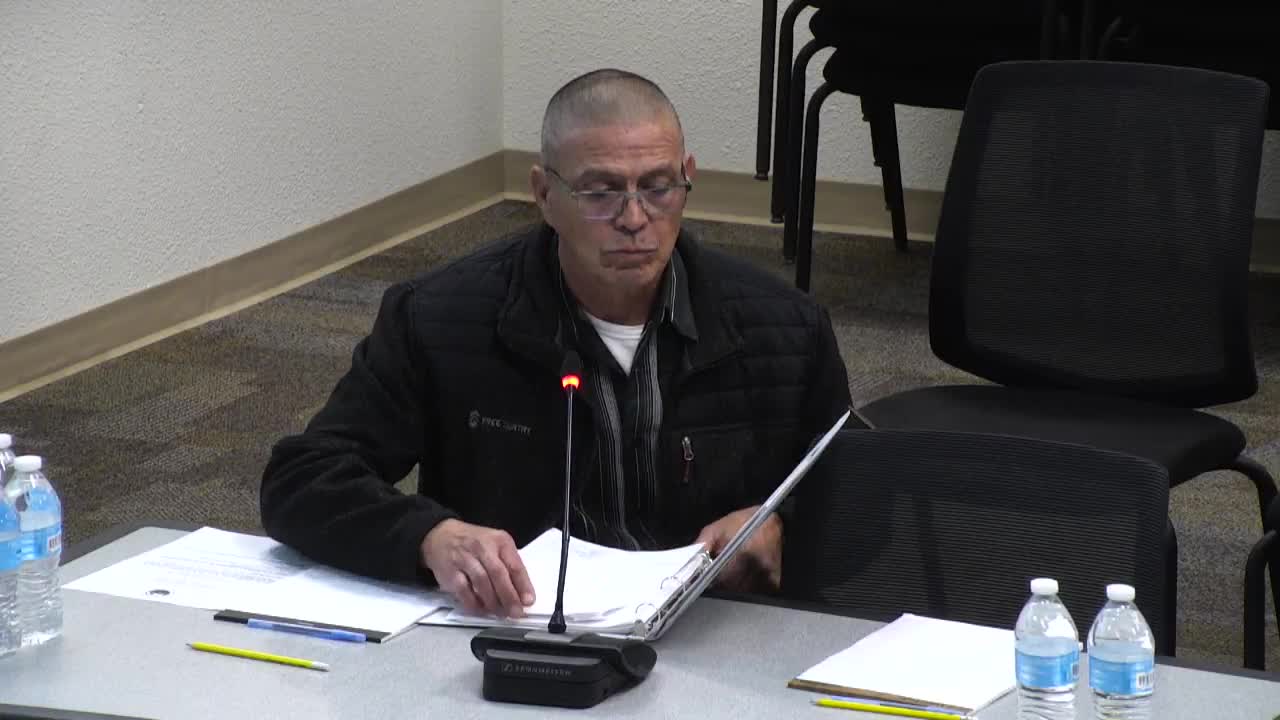
Development Services Director Jeremy Dye told the Board of Supervisors that permit review times have improved and that new technologies and programs are helping speed reviews and reduce travel for inspectors.
Dye said average review times across permit types are now about three weeks and that a remote video-inspection program implemented last year saved inspectors about 4,375 miles of travel and roughly 107 hours of drive time. He said the department completed 32 units under the county’s “Home of My Own” plan set program, which provides pre‑approved floor plans at no charge to qualifying residents and partner jurisdictions.
The department is also moving ahead on a full rewrite of the county zoning ordinance — the first comprehensive update since the code dates to 1968, Dye said — and plans a multi-year public engagement process. Dye told supervisors the rewrite will include targeted items first (for example, a modernized dark‑sky lighting standard) and will include outreach to towns and residents.
Budget requests and enforcement: Dye said development services has asked for two continuing staff additions in the recommended budget: a senior planner to manage long-range planning and a senior land-use specialist to handle higher‑level code‑compliance and enforcement cases. He also asked for a one‑time request of $250,000 to fund property abatements (cleanup/removal of unsafe or derelict structures) and said the department’s existing $100,000 set aside for abatements was already largely spent.
Why it matters: Dye said land‑use complaints have grown and that code‑compliance staff are carrying heavy caseloads — roughly 2,000 complaints annually divided among a handful of officers — so additional enforcement capacity will be needed to address chronic public‑health and nuisance sites.
Ending: Dye said the department will follow up with the board on specific fee‑recovery and program metrics and will bring pieces of the zoning rewrite to supervisors and the public for review over the next several months.