Get Full Government Meeting Transcripts, Videos, & Alerts Forever!
Get email alerts on the Science Of Reading topic
No spam. Unsubscribe anytime.
Newburgh screening and panel urges wider use of ‘science of reading’ to boost literacy
Summary
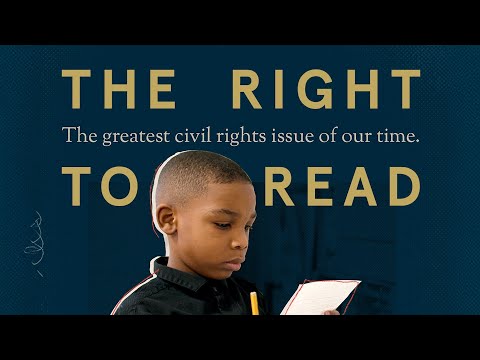
Students, teachers and NAACP representatives at an evening screening and panel hosted by the Newburgh City School District highlighted the documentary The Right to Read and urged broader adoption of evidence-based reading instruction for all students.
An evening screening of the documentary The Right to Read followed by a panel discussion held by the Newburgh City School District focused on literacy instruction and the district’s move toward evidence-based practices.
The panel, introduced by Santos Garcia, a 12th-grade student at NFA Main and member of the NFA Black History Club, featured district educators and specialists who described classroom changes tied to the “science of reading,” and student and community leaders who called for wider access to structured literacy across grades.
Why it matters: Panelists said literacy gaps disproportionately affect Black, brown and low-income students and described structured, research-based approaches as key to reversing those trends. Educators on the panel described professional development and classroom methods that teachers said produced measurable reading gains for students previously identified as struggling readers.
"This documentary explores the complexities and challenges surrounding literacy education," Santos Garcia said in opening remarks. "It sheds light on the critical issue of reading instruction and its implications for individuals, society, and our collective future." Dr. Lisa Vaughn, acting superintendent of the Newburgh City School District, told the audience that the district must change how it teaches reading: "We have to change the way that we teach reading," she said, and added that the district can and will implement evidence-aligned practices.
Kyle Conway, president of the Newburgh–Highland Falls chapter of the NAACP, framed the screening as part of a community effort to ensure every child learns to read: "What is needed for every American to realize the American dream ... cannot happen if our young people cannot read," he said.
Panelists described the specific instructional approaches they have used. Chrisanne Crizzoli, a fifth-grade ELA teacher, said she incorporated morphology instruction (prefixes, roots and suffixes) alongside training in Orton–Gillingham and LETRS; she reported that students moved several grade levels in reading and that vocabulary and comprehension i-Ready scores rose noticeably after the change. "Once I began a dedicated morphology part of my day, my students' iReady scores jumped drastically," Crizzoli said.
Melissa Lamar, a first-grade teacher, summarized developmental evidence for early language work: "Neuroscience has proven without question empirically that there's development in the human mind from birth to about 5 to 7 or 8 that must take place before students can even be expected to read," she said, urging caregivers to prioritize talk and shared reading in early childhood.
Several panelists described structured literacy programs used in the district and in targeted interventions, including Orton–Gillingham methods, LETRS professional development, and the Wilson Reading System. A panelist who identified herself as a Wilson dyslexia practitioner said many students who previously reached special education after repeated failure have made rapid gains once taught with structured, sequential approaches: "They would see their success and improvement with the drills and the decodable passages," the teacher said.
Speakers also urged parents to be skeptical of commercial fixes and to advocate for classroom instruction grounded in the science of reading. One panelist warned that unscientific methods can delay or worsen reading difficulties, and another encouraged parents to seek assessments and supports before students fall behind.
Student voices: Nadezia Thiam, a bilingual senior at NFA Main, described reading as central to her learning and future: "As a bilingual student, reading helped me understand my right and have a better perception of the world," she said. Student organizers asked attendees to volunteer; a QR code and sign-up sheets were provided for people who want to read in schools, support early-childhood programs, or help with district events.
The panel discussion was recorded and will be posted on the district website along with the film link. Organizers said they will publish a frequently asked questions document and a volunteer sign-up summary on the site.
The panel emphasized that the district has begun training and classroom shifts rather than announcing a single policy vote; no formal board action or vote was recorded during the event.