Get AI Briefings, Transcripts & Alerts on Local & National Government Meetings — Forever.
Police groups and prosecutors debate due process for officers on 'Brady' lists in committee hearing
Loading...
Summary
Senate Bill 15 73, which would create a process for peace officers to challenge unsubstantiated allegations that affect their credibility in criminal cases, prompted wide testimony from police groups and prosecutors.
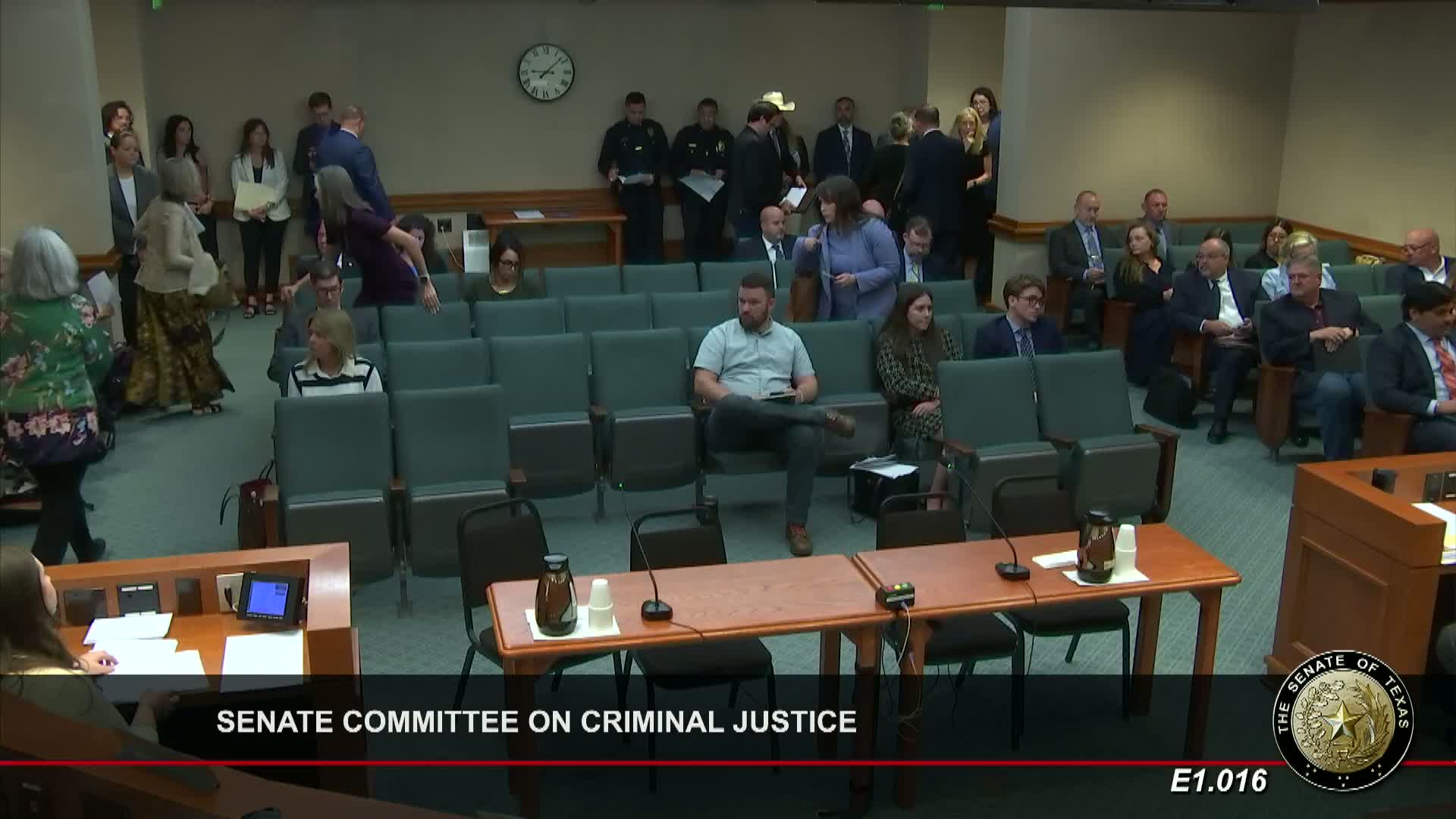
Senate Bill 15 73, which would create a process for peace officers to challenge unsubstantiated allegations that prosecutors sometimes disclose to defense counsel, prompted a detailed exchange Tuesday between law‑enforcement groups, prosecutors and committee members.
Sponsor Senator Brian Birdwell told the committee the bill would create a formal route for officers to petition a district court to contest allegations used to label them as not credible for courtroom testimony. "SB 15 73 creates a formal process for officers to challenge misconduct reports or determinations that they are not credible by filing a petition in a district court," the sponsor said.
Law‑enforcement unions and associations testified in support. Jennifer Symansky of CLEAT said a SOAH (State Office of Administrative Hearings) administrative route is the group's preference but that any meaningful due‑process mechanism is welcome. Sheriff Brian Hawthorne of the Sheriff's Association of Texas said the absence of a remedy leaves some rural officers effectively unemployable after placement on local lists.
TMPA and CLEAT representatives described cases where officers were placed on local disclosure lists over training or administrative differences and said there is currently little or no path to rehabilitate an officer's reputation. "If you're on the Brady list in my county, I will not hire you," Sheriff Hawthorne said; he and other sheriffs urged a due‑process remedy to allow clearing a record.
Prosecutors and civil‑liberties groups raised concerns. Shannon Edmonds of the Texas District and County Attorneys Association told the panel that evidence disclosure obligations to defendants are paramount and that imposing statutory limits on prosecutors could risk defendants' constitutional rights. ACLU and Texas Civil Rights Project witnesses said independent disclosure protects victims and defendants and warned about hampering prosecutors' discretion.
Committee members questioned whether district court litigation, SOAH procedures or another administrative path would best balance officer due process and prosecutors' discovery duties. The sponsor said he would take comments and work with stakeholders. The chair left the bill pending.
Ending: No committee vote; the bill remains under development pending negotiated language to balance disclosure obligations and officers' due‑process concerns.