Get Full Government Meeting Transcripts, Videos, & Alerts Forever!
Get email alerts on the Mortgage Foreclosure topic
No spam. Unsubscribe anytime.
Appeals court weighs whether 2016 loan document reinstated mortgage in Nationstar v. Zulli
Summary
Oral argument focused on whether a February 2016 re-executed loan modification created a new contract (triggering HUD notice requirements) or merely repeated a 2014 reinstatement; counsel debated document language, party signatures, and remedy for any HUD-regulation violation.
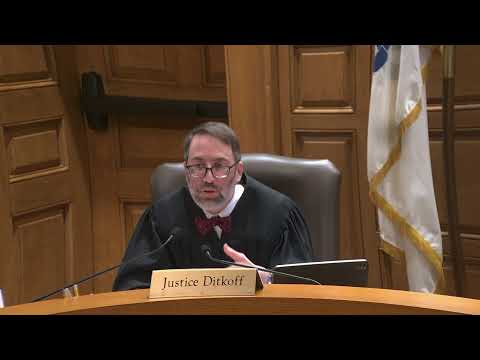
The Massachusetts Appeals Court heard argument in Nationstar Mortgage (d/b/a Mr. Cooper) v. Richard and Brenda Zulli on whether a 2016 re-execution of a prior loan modification reinstated the mortgage and therefore required the lender to send a new HUD/notice before foreclosure. Peter Guyatt, counsel for Nationstar, told the three-judge panel that the 2016 document largely repeated an earlier 2014 modification and did not create new substantive obligations that would require a fresh notice.
Guyatt said the 2014 modification “reinstated the loan” and that the 2016 paperwork “just repeated what the 2014” agreement did; he told the panel the only differences in the record were two added paragraphs (identified in the record as paragraphs 8 and 9) that he described as notice or reminder language and not material new consideration. Guyatt said the 2016 instrument was a reexecution of the earlier modification and that there is no evidence in the appellate record of parole evidence explaining why the 2016 form was signed again.
Judges pressed counsel on whether the trial judge, Judge Del Puerto, had adequate basis in the record to find the 2016 document was a “new contract.” The judge below relied, in part, on a factual finding that Richard Zulli had been discharged, a finding Nationstar disputes. Counsels and the panel also discussed the loan history and title record, signatures on the documents, and whether Richard remained liable on the underlying note even if his property interest had been deeded away.
A related question was whether failure to follow the HUD regulation governing notice after reinstatement — which the parties discussed as involving a 150-day notice and a 35-day notice sequence — would invalidate the foreclosure or require a different remedy. Guyatt said the lender’s view is that no new notice was required because the account had not been newly reinstated in 2016; the judge asked whether the remedy for any HUD-regulation violation would be to set aside the foreclosure or require a new foreclosure proceeding.
The record shows the foreclosure sale was completed in 2019; counsel said most issues had been adjudicated on summary judgment and that one factual issue identified by the trial judge — characterization of paragraph 9 of the 2016 instrument — remained. Guyatt told the panel that the parties had submitted the matter largely on the documentary record and that he would e-file the January 2024 filing that memorialized the agreement to proceed on papers.
The court also discussed whether paragraph 8’s language — a promise that the borrower “will remain liable for and bear my own attorney's fees and costs incurred in connection with any such actions” — was a new waiver of rights (for example, the ability to recover fees under G.L. c.93A if a borrower prevails). Guyatt said Massachusetts consumer-protection law (c.93A) would supersede any private waiver of statutory fee-shifting, and that the paragraph is best read as confirming preexisting liabilities rather than stripping statutory remedies.
The panel took the matter under advisement after argument; it did not issue a ruling from the bench.