Get Full Government Meeting Transcripts, Videos, & Alerts Forever!
Get email alerts on the Public Comment Policy topic
No spam. Unsubscribe anytime.
City solicitor presents draft public-comment policy; committee seeks revisions and will revisit draft
Summary
City solicitor presented a draft public-comment policy to clarify time limits, speaker eligibility and removal for disruptive remarks; the committee asked for edits including written chair discretion on time limits and harmonized residency language and directed staff to return with a revised draft.
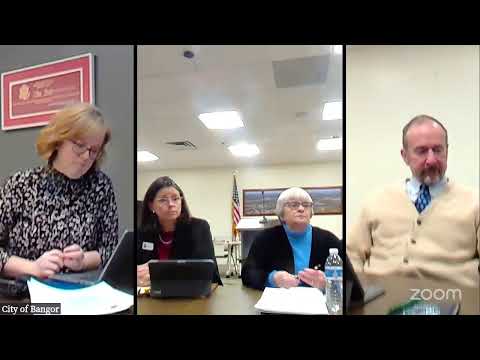
City solicitor Dave Semcheck presented a draft public-comment policy to the Government Operations Committee on Wednesday and recommended several changes to make time limits and enforcement clearer.
Semcheck said the policy is intended to make the rules governing public comment periods at city council meetings clear and to ensure the public has a fair opportunity to speak while allowing the council to conduct its business. He recommended adding an explicit sentence to say that “the council chair has the discretion to alter the above time limitations.”
Semcheck also proposed harmonizing residency language so that speakers must give their full name and whether they are a Bangor resident and allowing Bangor residents or property owners to be heard first. He suggested adding a provision by which “obscene, truly threatening, and overly repetitive remarks will be interrupted and removed” and noted that such limits are consistent with the presiding officer’s authority described in Robert’s Rules covering public bodies.
Committee members discussed the scope of chair discretion. One member said the chair should have flexibility in practice so more people can be heard at busy meetings, while others warned against allowing the chair to reduce a speaker’s allotted time too far. Councilor Forney said the committee had elected a chair to exercise discretion “depending on the circumstances,” and other members said committee chairs should have parallel flexibility for committee meetings.
The committee did not adopt the draft at the meeting. Members instructed staff to make the suggested revisions, including the chair-discretion language, residency/ownership wording consistency and the removal language, and to return the revised draft to the committee for further review.