Get Full Government Meeting Transcripts, Videos, & Alerts Forever!
Get email alerts on the Environment Waste Polystyrene topic
No spam. Unsubscribe anytime.
Committee recommends polystyrene ordinance amendment to make enforcement more objective
Summary
City attorneys proposed amending the polystyrene ban to add an "unreasonable difficulty" exemption (e.g., supply‑chain delays) and to reinstate a mandatory enforcement clause. The committee voted to recommend the amendment to full council.
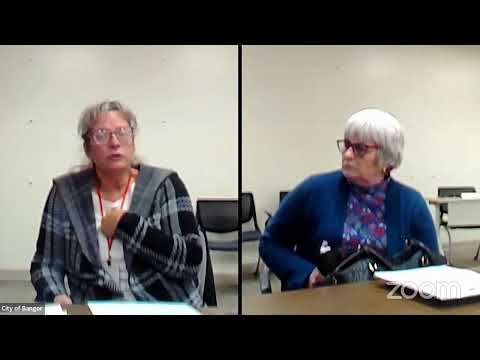
City Attorney Dave Sevcek briefed the Government Operations Committee on a proposed amendment to the city’s polystyrene ordinance intended to make enforcement more objective and to formalize an exemption for businesses that cannot secure substitute products.
Sevcek explained polystyrene foam — commonly used in single‑use food service containers — fragments and harms wildlife and that the city’s ordinance, effective Jan. 1, 2020, had included a temporary, discretionary enforcement approach during supply‑chain disruptions. The proposed amendment would add an objective test defining “unreasonable difficulty” (including, but not limited to, unusual supply‑chain delays) and would require the city manager to grant a written waiver for businesses that submit a documented request showing they cannot procure alternatives. The waiver would be time‑limited (up to one year) and renewable.
A councilor asked whether the test remained subjective; Sevcek said the new language is intended to reduce discretion and provide an objective standard for exemption review. The committee moved and seconded a motion to recommend the amendment to full council; the committee recorded no objections and forwarded the item to council for consideration.
Ending: The committee recommended the ordinance amendment to the full council with the stated goal of returning enforcement discretion to a documented, narrower exemption process rather than continuing broad temporary discretion.