Get Full Government Meeting Transcripts, Videos, & Alerts Forever!
Get email alerts on the Social Services Group Home topic
No spam. Unsubscribe anytime.
Planning commission continues proposed Lake Havasu group home after widespread neighborhood opposition
Summary
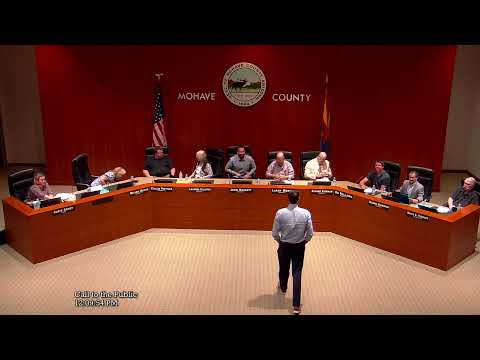
The Mohave County Planning and Zoning Commission continued a request for a special-use permit for a proposed girls’ group home in Lake Havasu Heights after hours of testimony from neighbors, legal questions about zoning and requests for more local outreach from the applicant.
The Mohave County Planning and Zoning Commission on [meeting date not specified] voted to continue consideration of a special‑use permit for a planned girls’ group home in the Lake Havasu Heights area after lengthy public comment and questions about siting, utilities and funding.
Supporters said the facility, proposed by Impact928, would house girls in the foster-care system and let them remain in Mohave County instead of being placed in Maricopa County. Sheri Pontolillo, identified as the owner’s agent for Impact928, described the project as a residential, trauma‑informed group home and said the operator has licenses and plans in progress. “This is going to be not looking like a jail. It’s going to look like a residence. It’s gonna be quiet. It’s very secure,” Pontolillo said.
A member of the applicant’s board who identified herself as Maddie described licensing and staffing expectations under state rules, saying the Arizona Office of Licensing and Regulation (OLR) sets staffing ratios and requires awake night staff. “The group home…is regulated by the Arizona Office of Licensing and Regulations. They have set regulations on staffing ratios…We also do have to have awake night staff, so they will be monitored 24/7,” Maddie said.
Opponents said the chosen parcel is remote from schools, medical care and public safety services, that local roads are unpaved, and that internet service in the area is unreliable for the in‑house education the provider described. Dozens of neighbors spoke at the meeting. “It’s 10 miles to Walmart, which is the closest facility from where we’re at,” said Roxy Ginnocchio. Others raised concerns about possible impacts on property values, emergency response times and day‑to‑day supervision and traffic.
An attorney speaking for several residents, Tim Lasota of Phoenix, argued the proposed use conflicted with zoning and the Mohave County general plan. “If we go to section 37 of the zoning code, we see that childcare in group homes of more than 10 children for compensation is allowed only as a commercial operation in all specified zones. This RE zoning does not lend itself to commercial uses,” Lasota said. Staff and the applicant’s representatives responded that the county ordinance does allow regulated group residential care in the RE zone with a special‑use permit and that the SUP process is the mechanism to add conditions and review site‑specific impacts.
Commissioners pressed the applicant on practical details: whether a building exists (the applicant said the home would be newly built), how many residents would be on site (the applicant said the permit allows up to 12 but the plan anticipates about eight residents), staffing patterns (the applicant described 12‑hour shifts and typical daytime ratios around 1:4 and nighttime 1:8), utilities (the applicant plans septic service and Independent Improvement District water), and whether a development site plan and any required road or drainage improvements would be completed before final approvals. Staff explained that site plan review, public works and environmental health reviews would follow any SUP approval and could require road or utility improvements.
Speakers for the applicant said funding includes private donations and a grant drawn from American Rescue Plan Act (ARPA) funds allocated to local foster‑care support; the applicant said about $141,000 was awarded and roughly $30,000 had been used for local foster‑family support, with remaining funds applied toward land and initial costs. The applicant also said they expect ongoing placements by the Department of Child Safety to provide continuing operating support.
After public comment and questions, Commissioner Morse moved — and Commissioner Kirkham seconded — to continue the item so the applicant could meet directly with nearby residents and provide additional responses to concerns raised at the hearing. The commission approved the continuance; staff recorded the motion as passing with six votes in favor and three opposed.
What’s next: The commission continued the hearing to a future meeting and instructed the applicant to meet with neighbors and provide additional material (site‑plan details, specifics on security and staffing, and clarifications about utilities and transport) before the commission forwards a recommendation to the Board of Supervisors. The item will return to the commission’s agenda for further review before the Board takes any final action.